January to March of 2025, I set off on a solo trip backpacking journey across Europe. This was my first international trip, and by far the most meaningful experience of my life so far.
Each day came with countless steps on foot, navigating city streets, metro stations, and old town alleys, all while relying heavily on will power to keep the momentum going. It was the kind of trip I had dreamed about for years, and finally made real.
But what looked spontaneous on Instagram was anything but. Every route, every city, every hostel bed had been meticulously planned. This wasn't a spur-of-the-moment adventure. It was the result of years of quiet research
Now, with Europe ahead of me, the next question was:
Where do I land?
Turns out, I didn't choose that. Data did. Based on approval rates, the Netherlands offered the best odds for getting in, so Amsterdam became my entry point. Simple as that.
And my exit? Another strategic decision. The cheapest flight back to India was from Prague, so Prague became my final stop. Between those two bookends, I built an itinerary that touched 10 countries, packed with rail rides, city walks, missed connections, and unexpected magic.
With my visa in hand and backpack ready, it was time to hit the road.
My journey began in Amsterdam, a city that felt both surreal and cinematic. From there, I looped through, moving eastward, southward, and eventually circling back toward Central Europe.
The plan wasn't just to hop between places. I had a vision for each stop. I knew where I wanted to go, what I wanted to experience, and just as importantly, what I was okay skipping. Every decision was deliberate, and rooted in a clear sense of what mattered to me.
Here's a visual look at the journey:
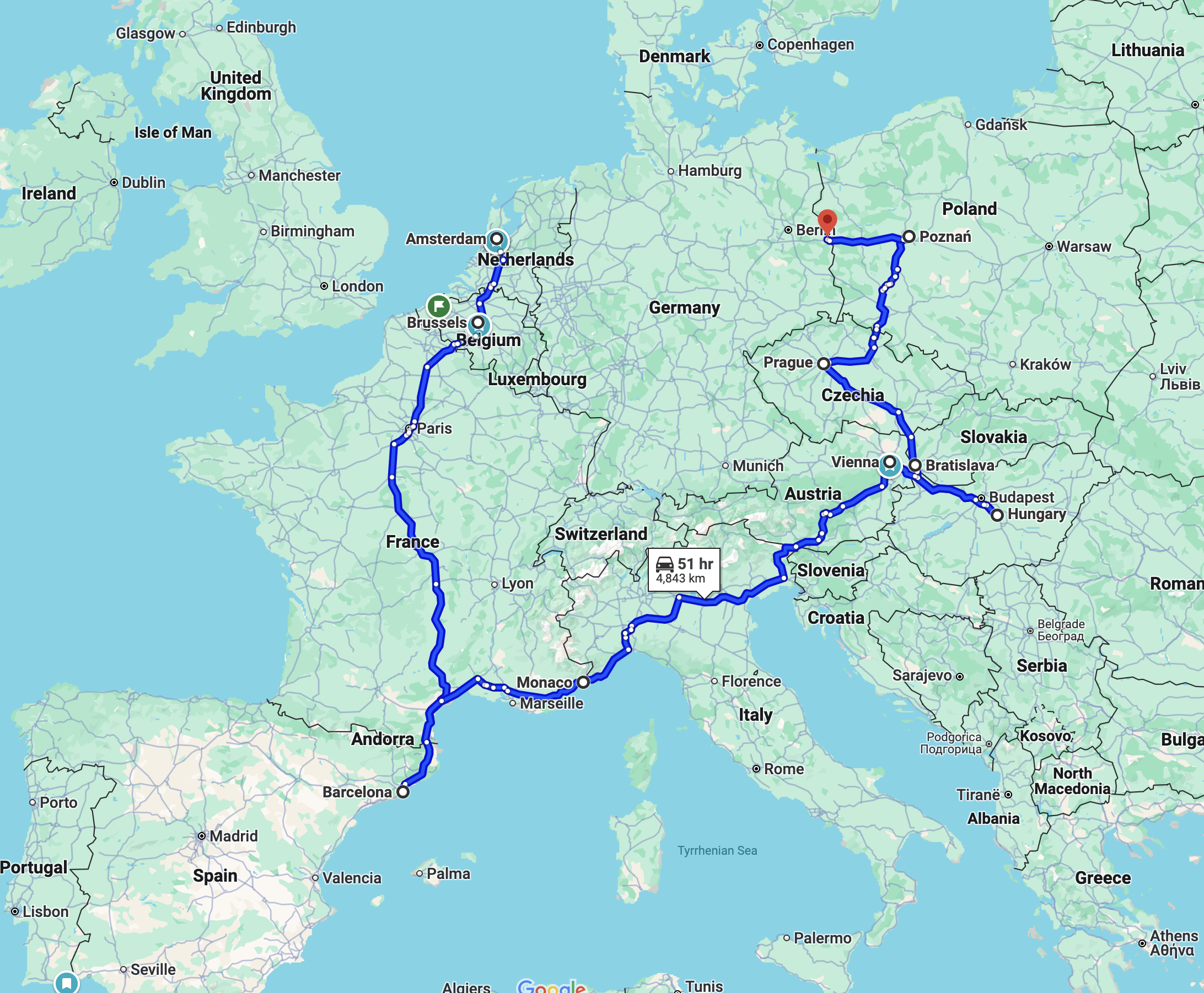
And here's a breakdown of the actual stops I made along the way:
- Netherlands – Amsterdam, Zaanse Schans, Volendam, Zaandam, Giethoorn.
- Belgium – Brussels, Bruges, Ghent
- Spain – Barcelona, Valencia, Figueres, Cadaqués, Girona
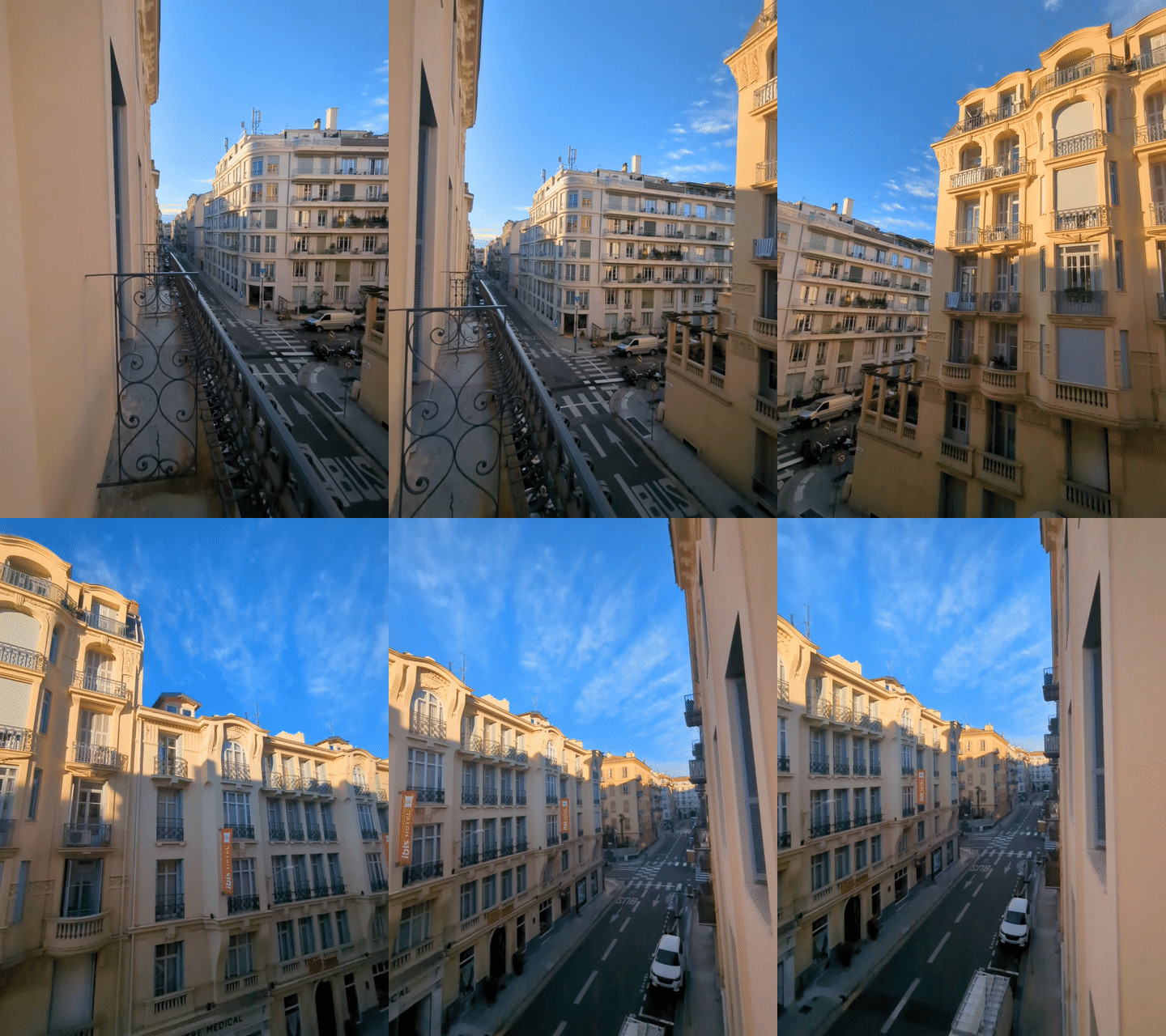
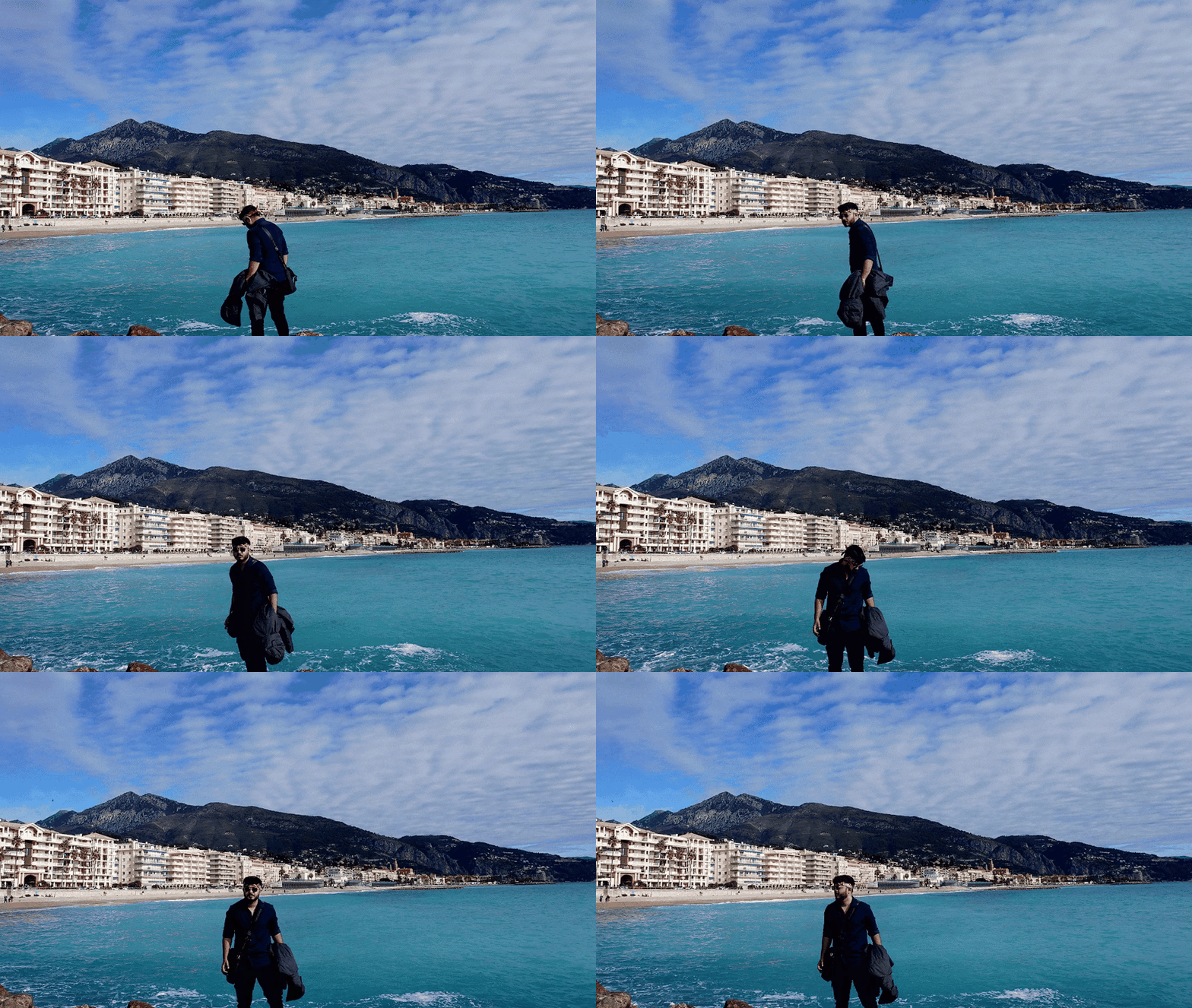
- France – Nice, Menton, Èze, Saint Paul de Vence, Gourdon, Grasse
- Monacco – Monte Carlo
- Austria – Vienna, Salzburg, Melk, Hallstatt
- Czech Republic – Prague
- Hungary – Budapest
- Slovakia – Bratislava
- Poland – Poznań
Each city had its own rhythm, its own surprises. Sometimes I stayed for a few nights, sometimes longer. And while I had a full itinerary, the magic always came from the unexpected moments in between: missed trains(cancelled trains), conversations with strangers, and sunsets I hadn't planned to see.
So, when you are planning such a long trip you need to think of many things let's talk about each
Budget
The holy grail of every trip. This was the first and biggest pillar.
I broke it down by week, by country, by city, even down to average daily meals and metro fares.
For example:
- My budget didn't allow for luxuries like Eurostar trains or dining out too often. I had to weigh the savings between staying in a 6-bed dormitory versus a 4-bed one, and even plan meals accordingly.
- There were a few days where I had no accommodation because I was in an overnight transit. Mathematically, it meant one less hostel booking and double the value from a single travel ticket.
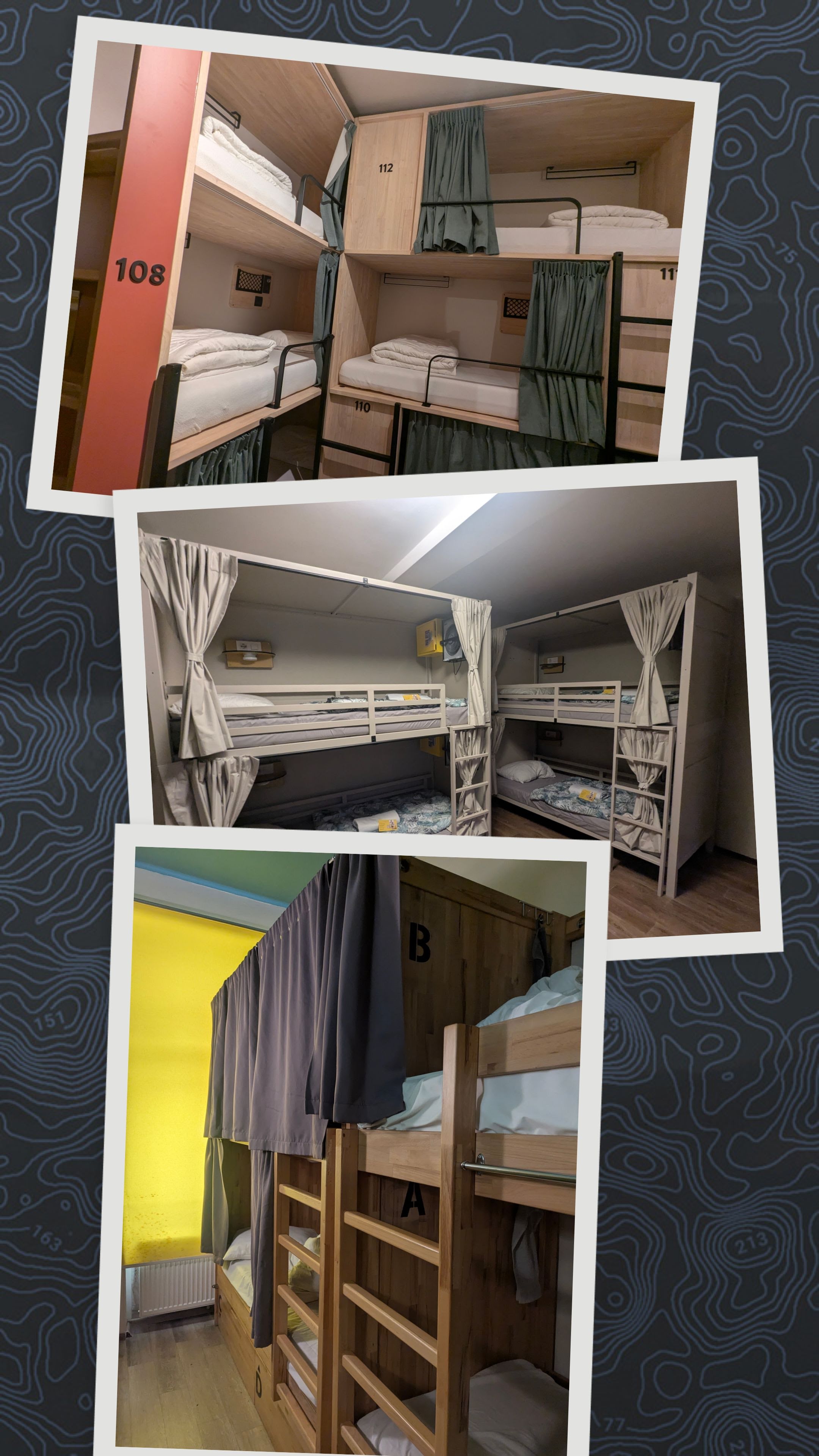
- Hostels usually cost around 15-35 Euros depending on the place. If you have a Hostel with curtains on dorm beds then it's actually not a big problem so you can save a few Euros by staying in a bigger dorm. Sometimes you can get lucky, I had the entire dorm room for myself for a few days in Vienna and Prague.
- I booked a few day trips through GetYourGuide, not just for convenience, but because they bundled everything: transport, entry tickets, and guided insights. These day trips are usually around 15-30 Euros. Only exception where I had to pay more was Hallstatt, Austria; it was far away and connectivity is not much, but it was still worth it since Hallstatt is too expensive to make a halt.
Accommodation
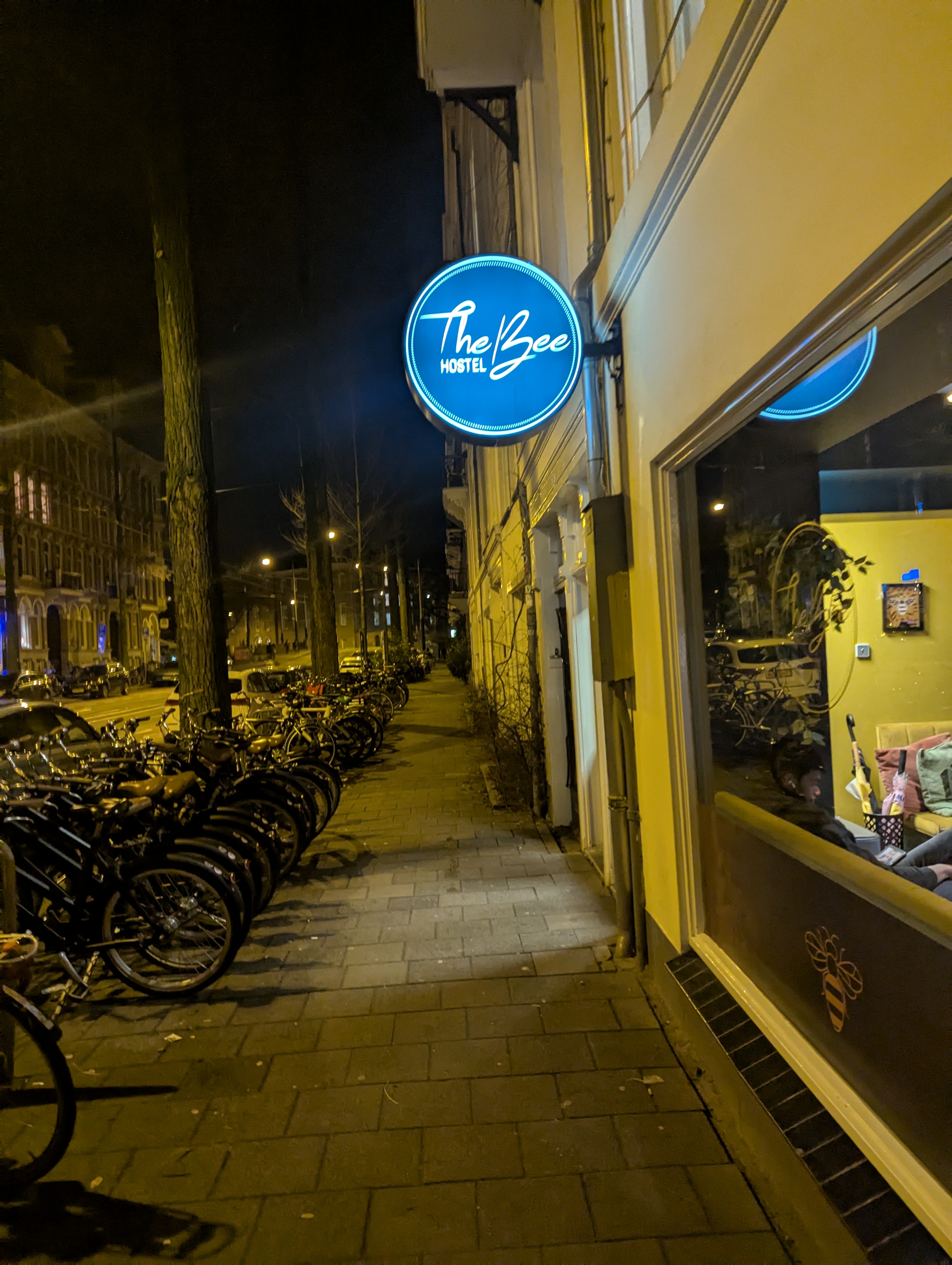
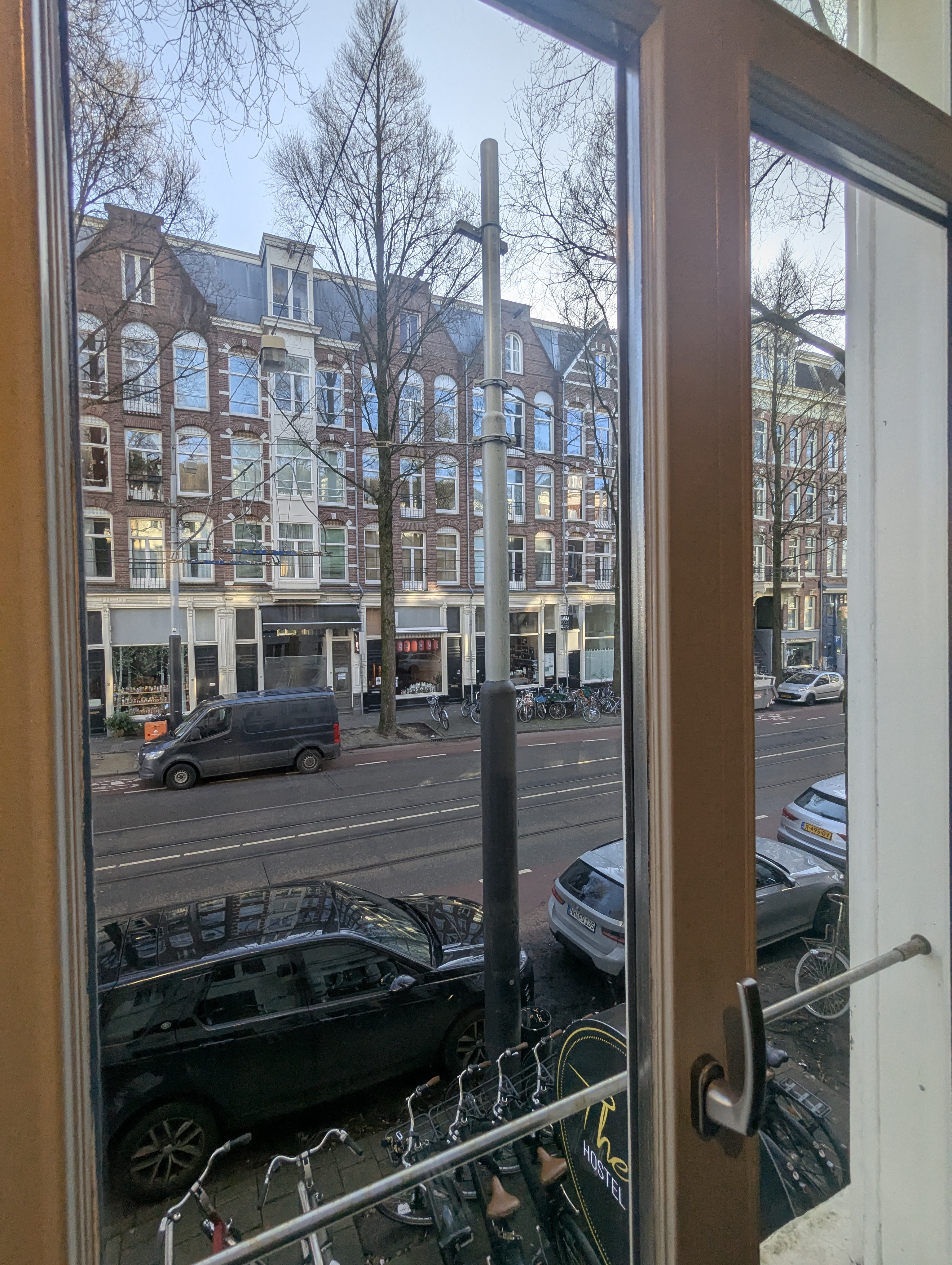
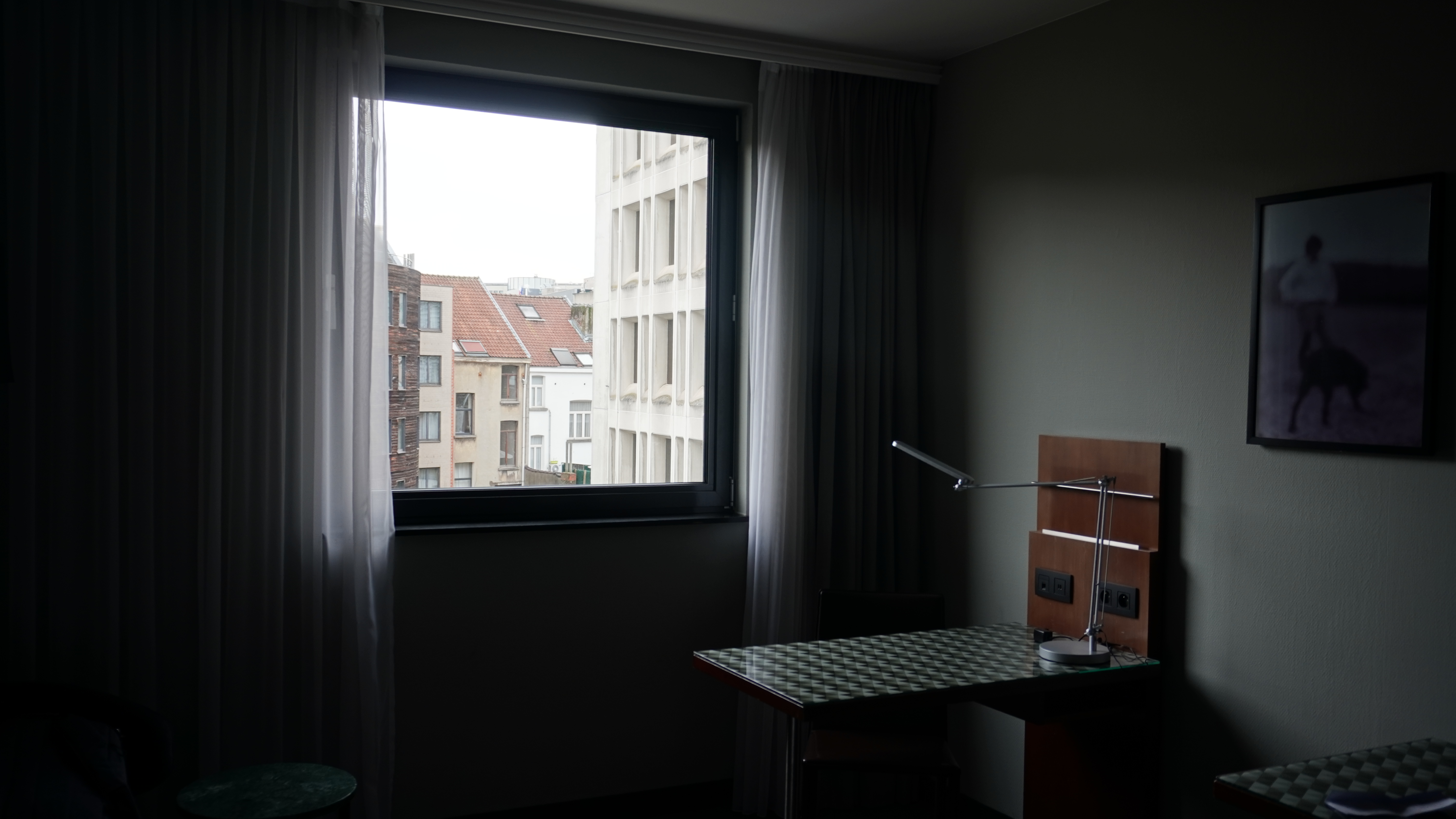
For my trip Hostels were the best option, I was doing it solo so I could meet new people on the way. But you need to be careful at Hostels too, do you?? I had no idea. Hostels, Airbnbs, couchsurfing, overnight buses... I compared them all. Reviews, locations, safety ratings, breakfast options... nothing escaped my mental spreadsheet. Some times the locations were amazing, sometimes not. But it was always a well calculated risk. We'll talk about it more once we discuss each country.
Transport
Transport within cities (metro passes, walking distances), between cities (buses, trains, budget flights), and between countries (Schengen border checks, visa limitations). This part was a beast of its own.You can get a day pass in many or say almost all places but is it worth it ? What if you just travel once in a day does the pass make sense ? Sometimes I skipped taking a pass because the numbers weren't in favour.
If you have time and patience and strong will, buses can take you anywhere in Europe. Flixbus is best and cheapest. Once you enter Spain Alsa is a better alternative.
One thing is a constant, you have to walk a lot. A LOT. And you need a lot of patience if travelling by bus
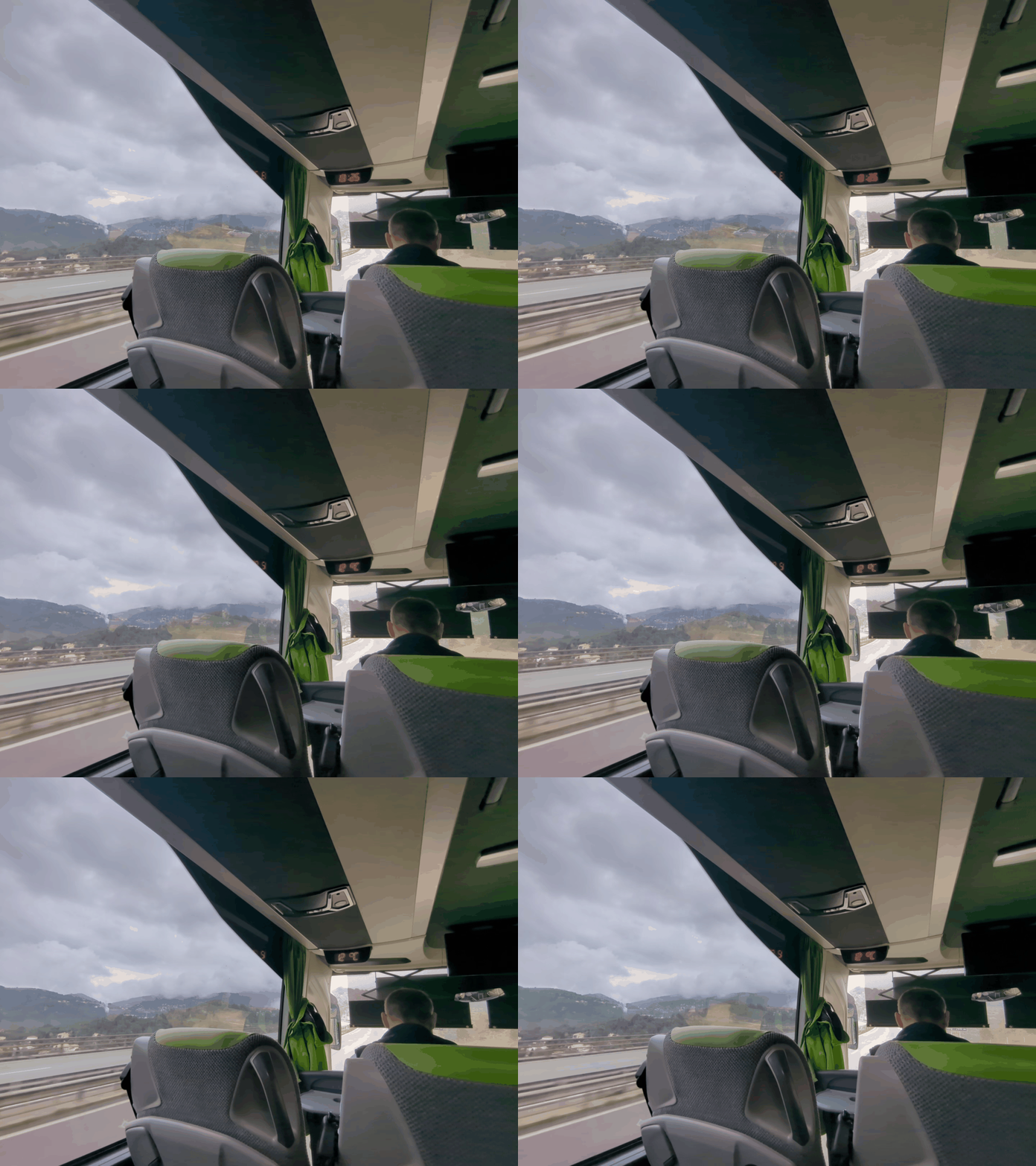
For example: Took a 17 hour long bus from Nice to Vienna. Would you do that ?, maybe, but I had to because of budget constraints. I just used this time to rest. More of this when we will discuss the countries in upcoming blogs.
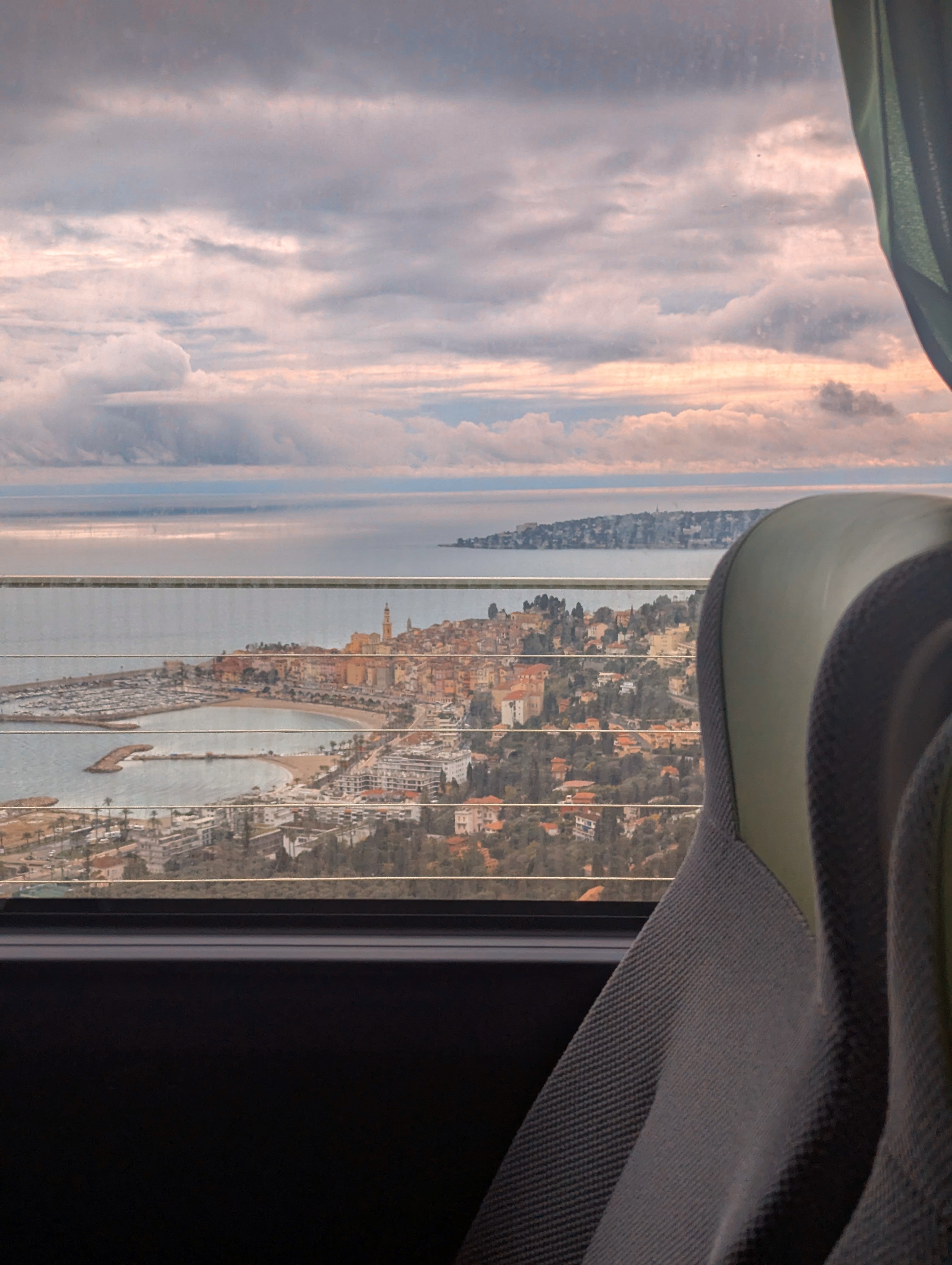
France-Italy border
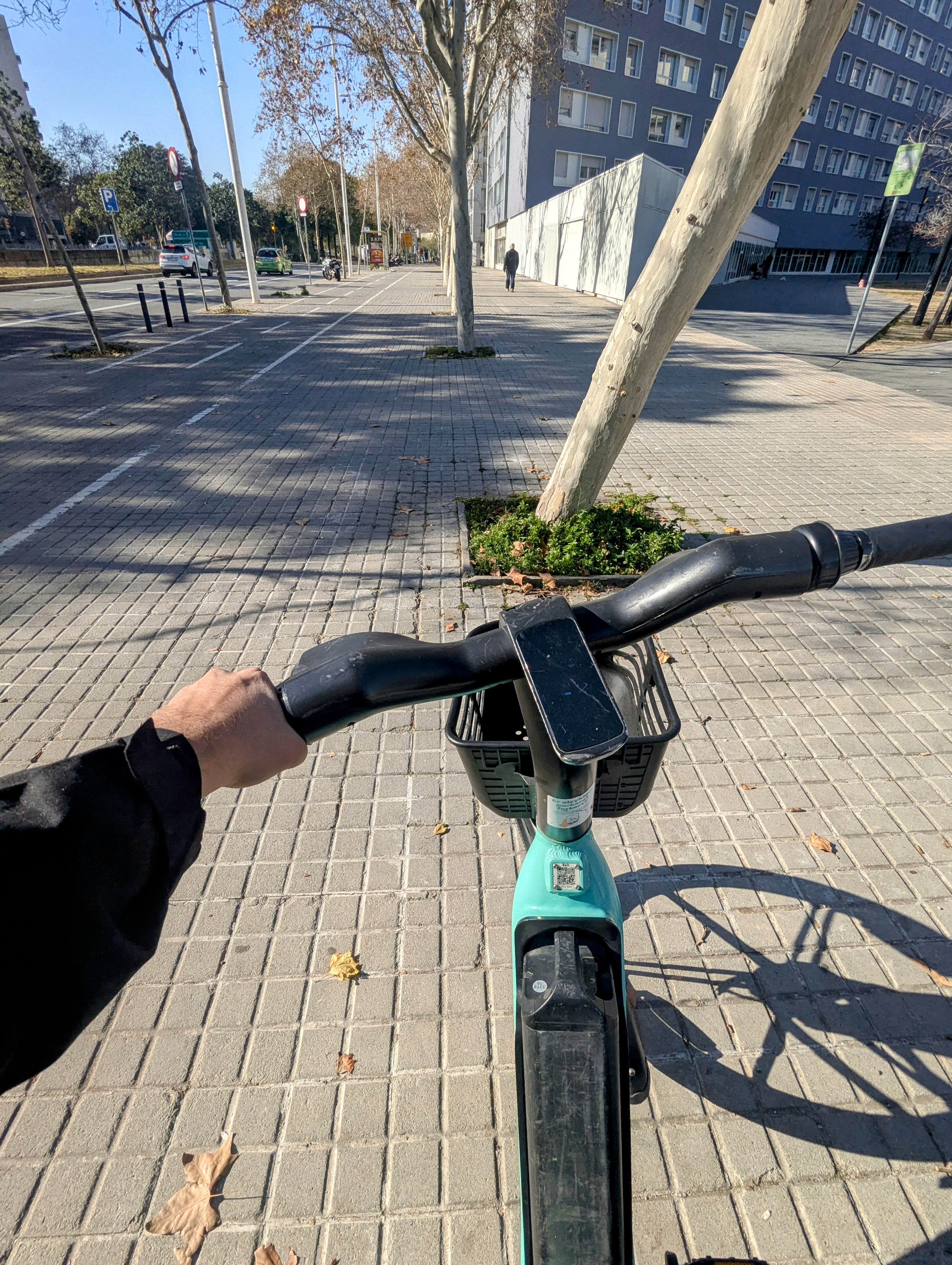
Cycling in Barcelona
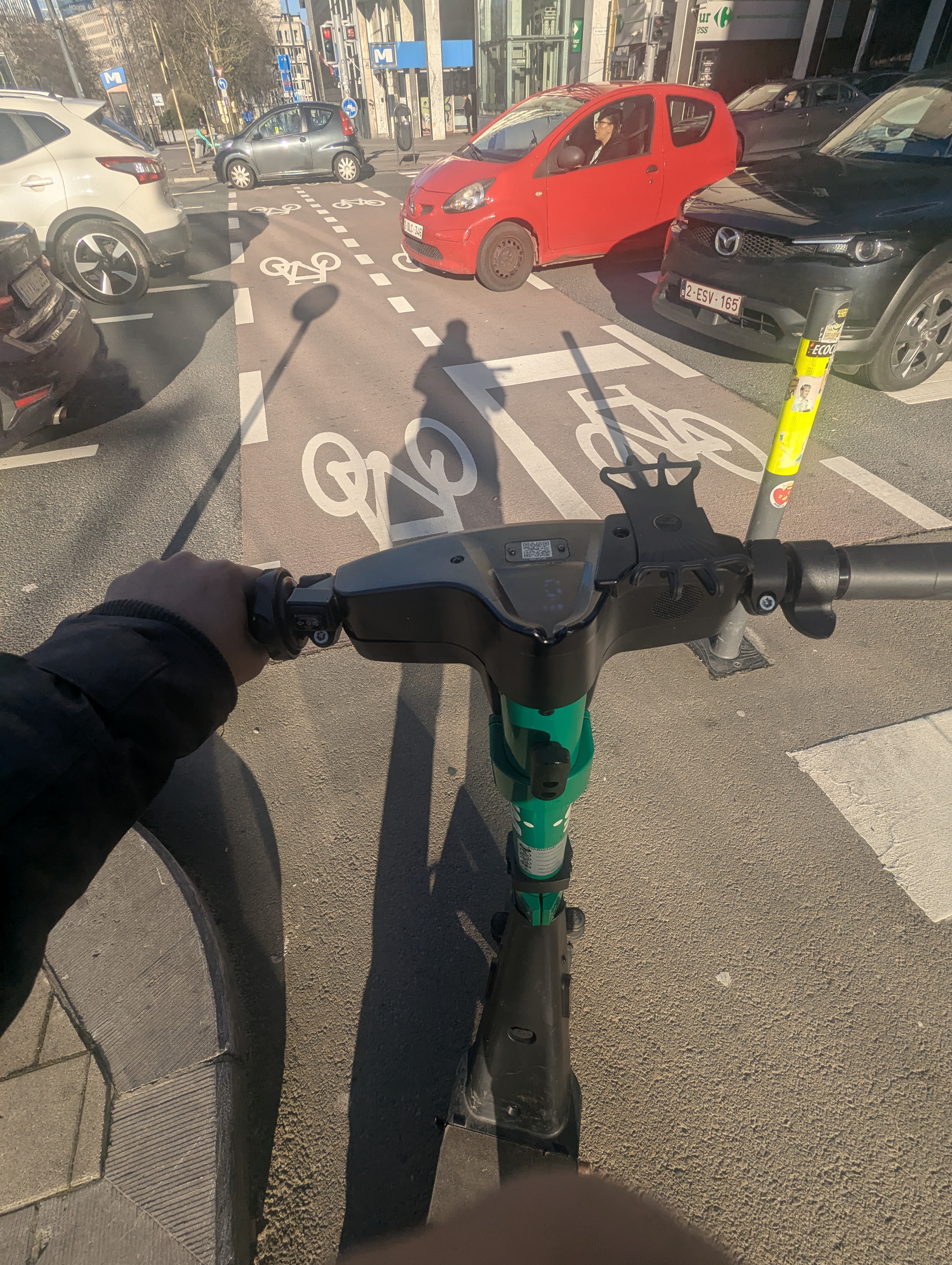
Brussels Cycling Path
Valencia
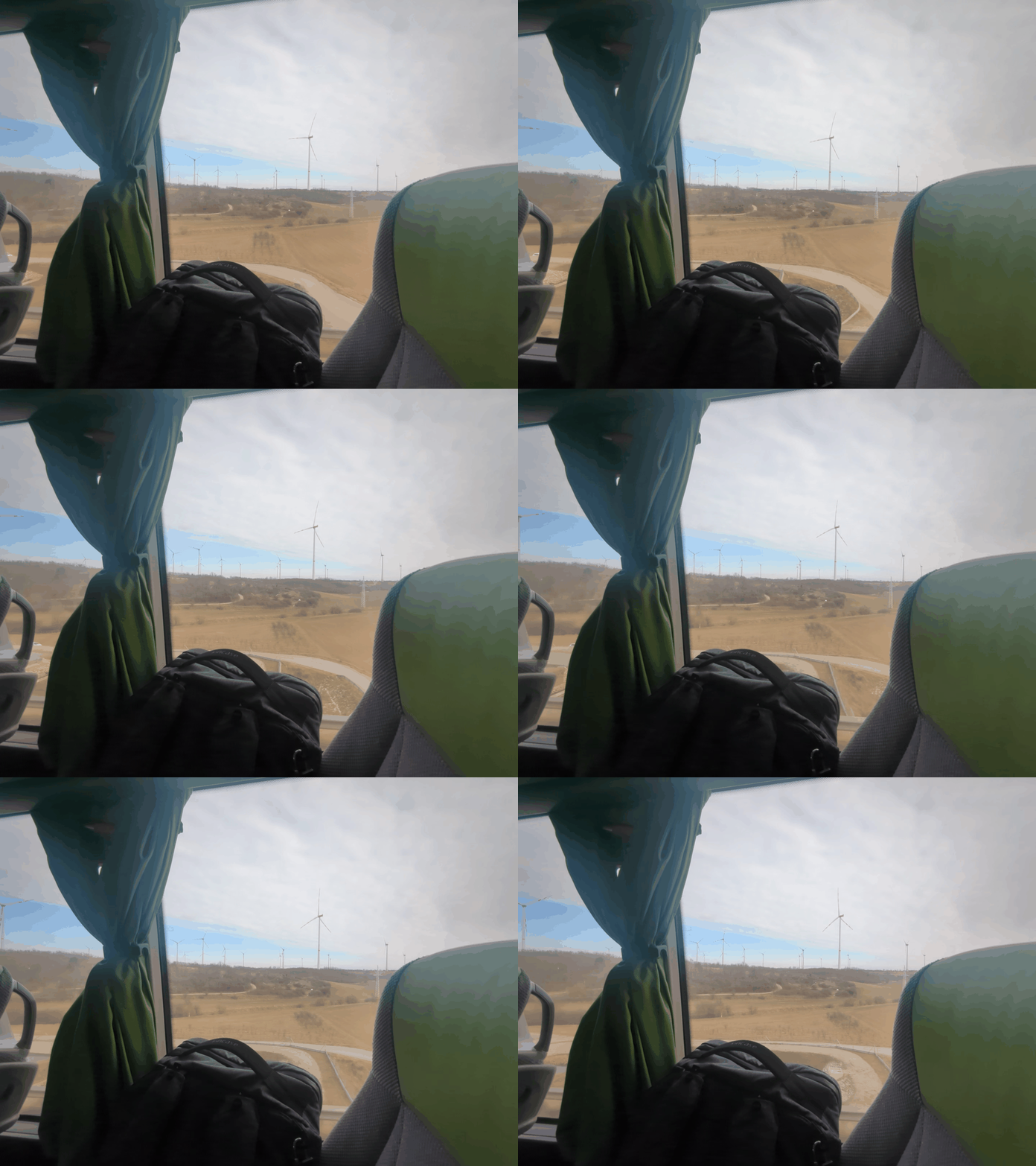
Dutch Windmills
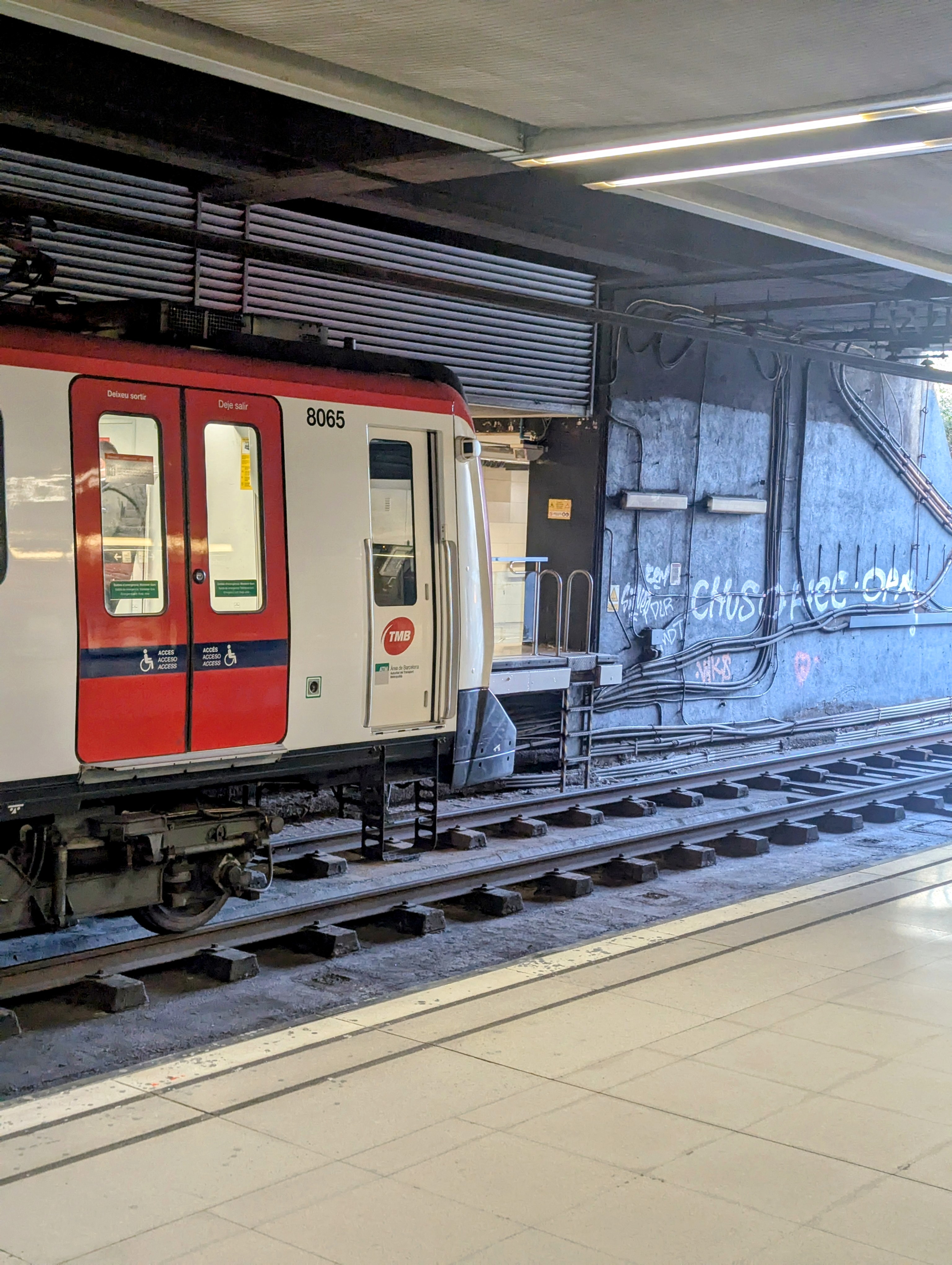
Barcelona Metro
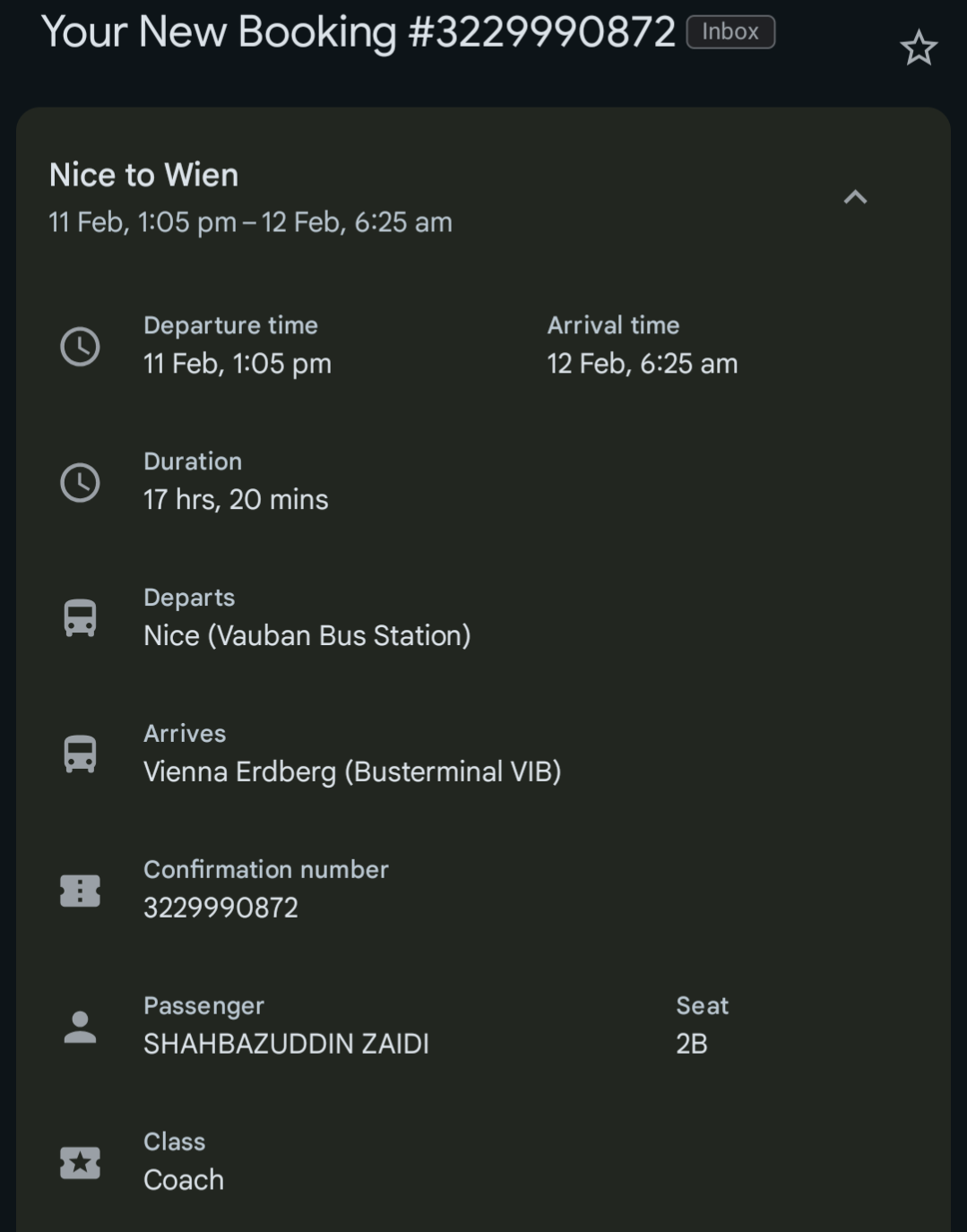
The 17 hour long bus to Vienna
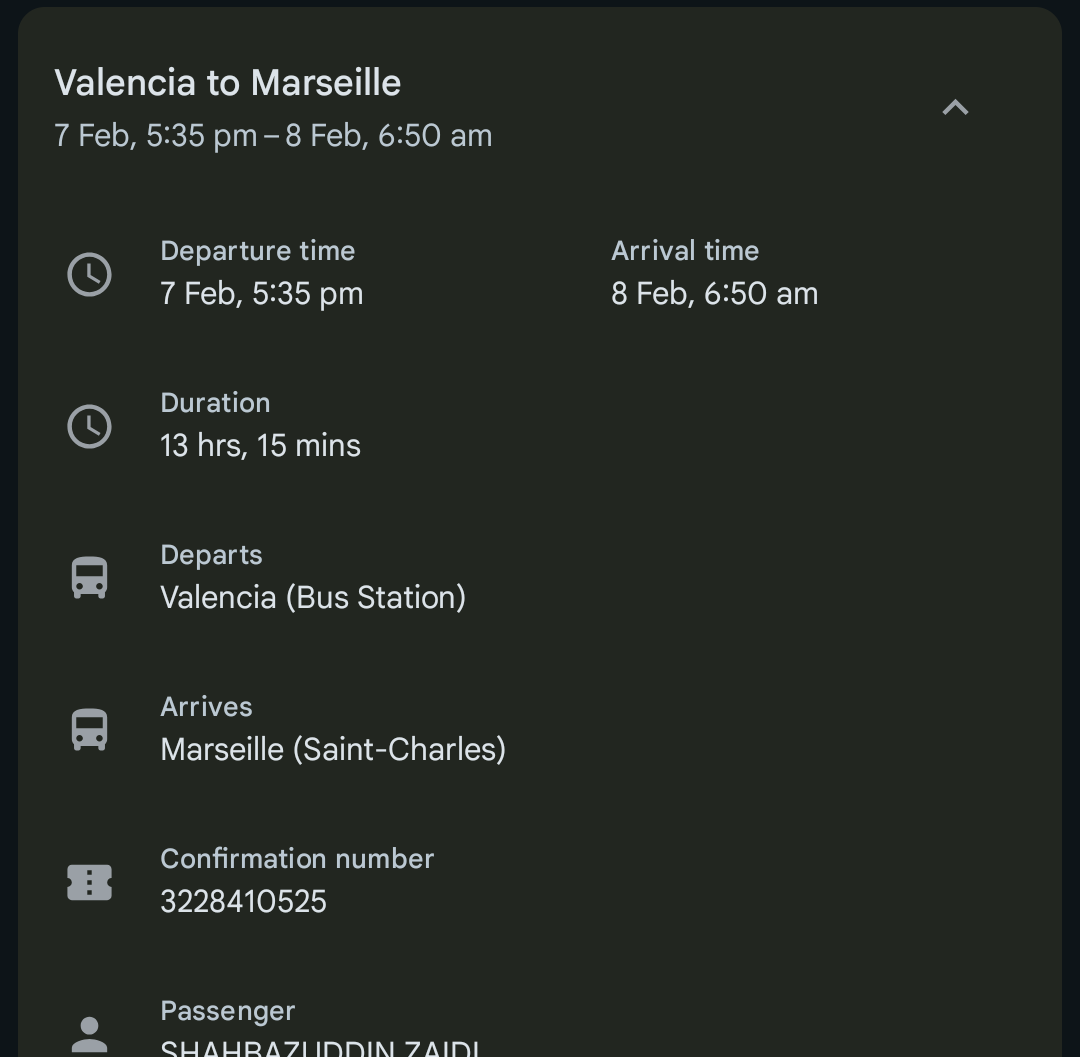
Another 13 + 2 hour bus towards Nice
Food
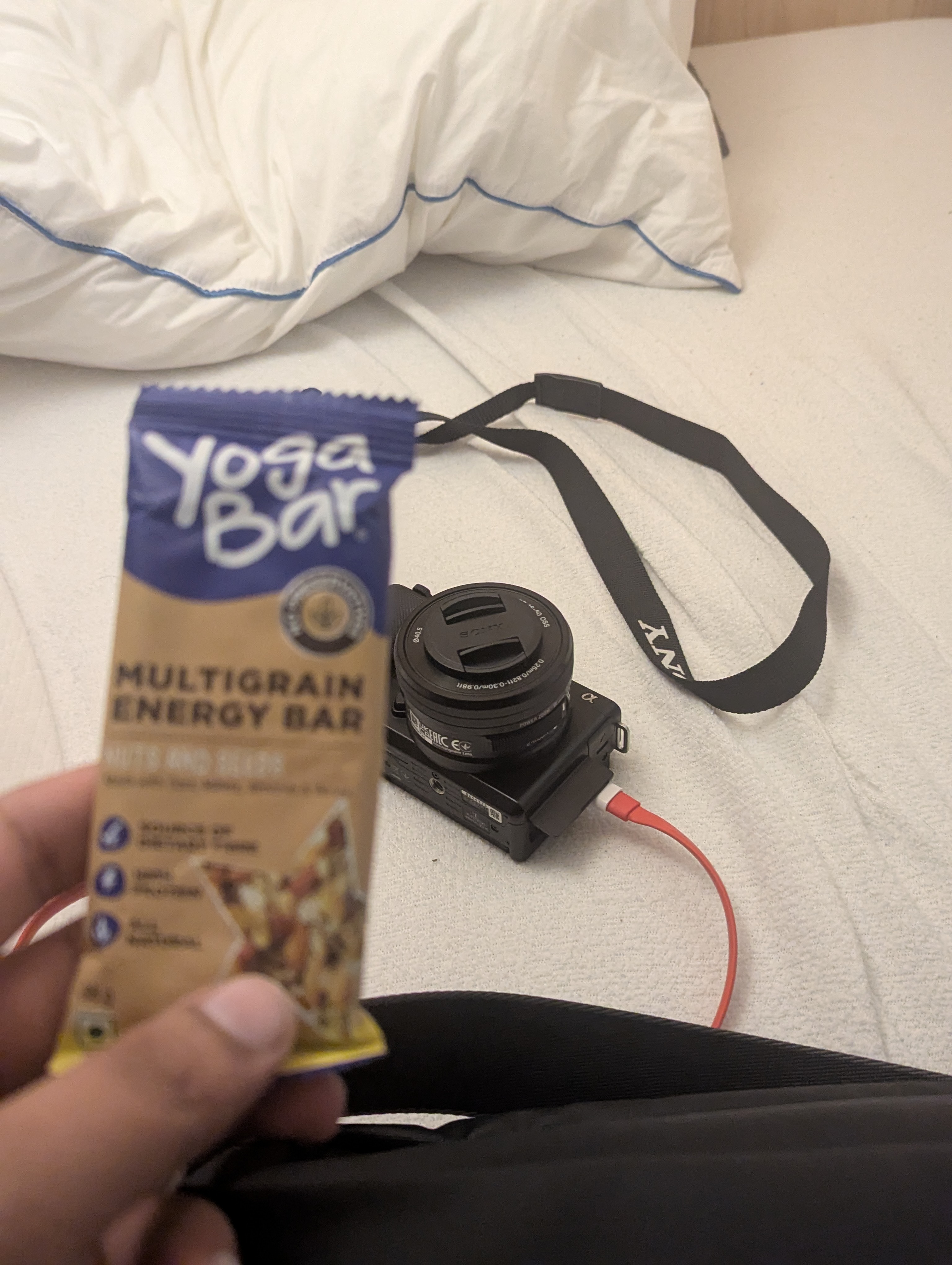
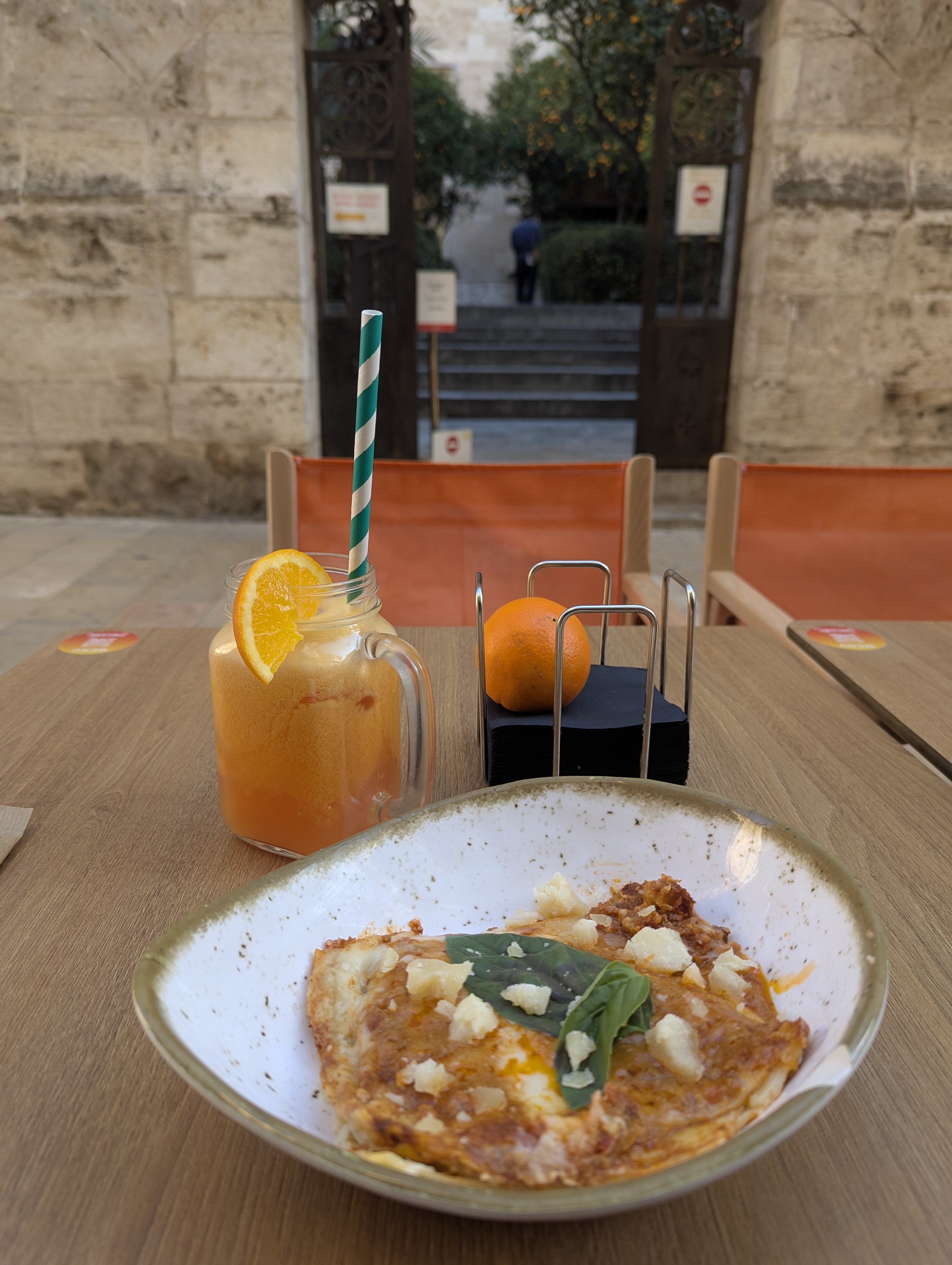
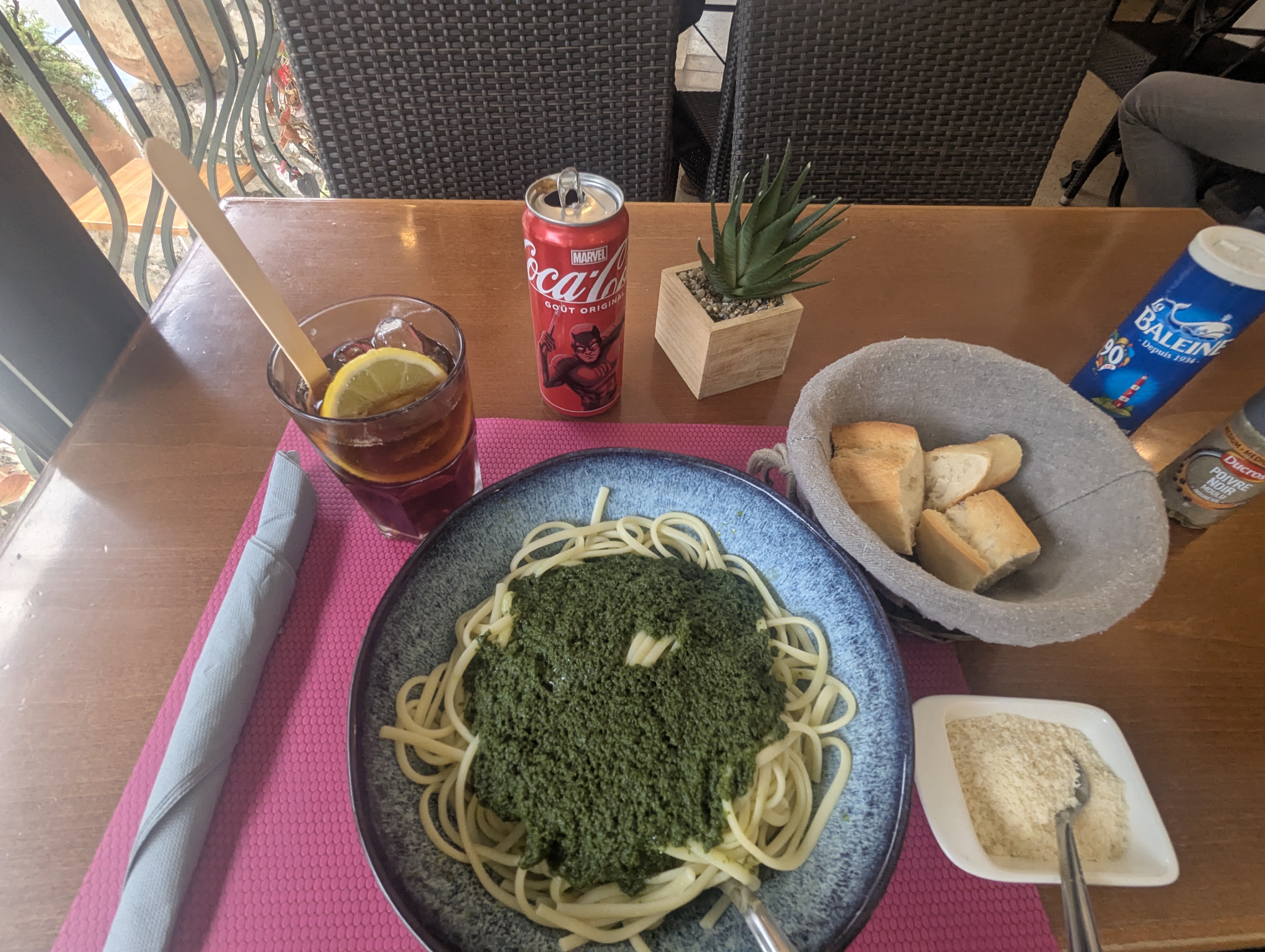
I only eat Halal food so for me it was critical to keep an eye out while planning.This trip was not mainly about food although I did splurge into spending a little but sometimes but that was just to keep me happy & motivated. Usually I would buy stuff from a supermarket since it was cheaper. I decided on having 1 meal a day. Carried some Yoga bars & snacks from India for emergencies.
Doner shops were a life saver since it would get you both cheap and Halal food. Food in Spain is cheap & the best I had in the entire trip, and you'll come across a lot of Desi people running small restaurants which are mostly Halal. I also tried different cuisines.
Did spend sometimes on packaged water but usually I would carry my water bottle. Packedged drinking water is expensive in Europe.
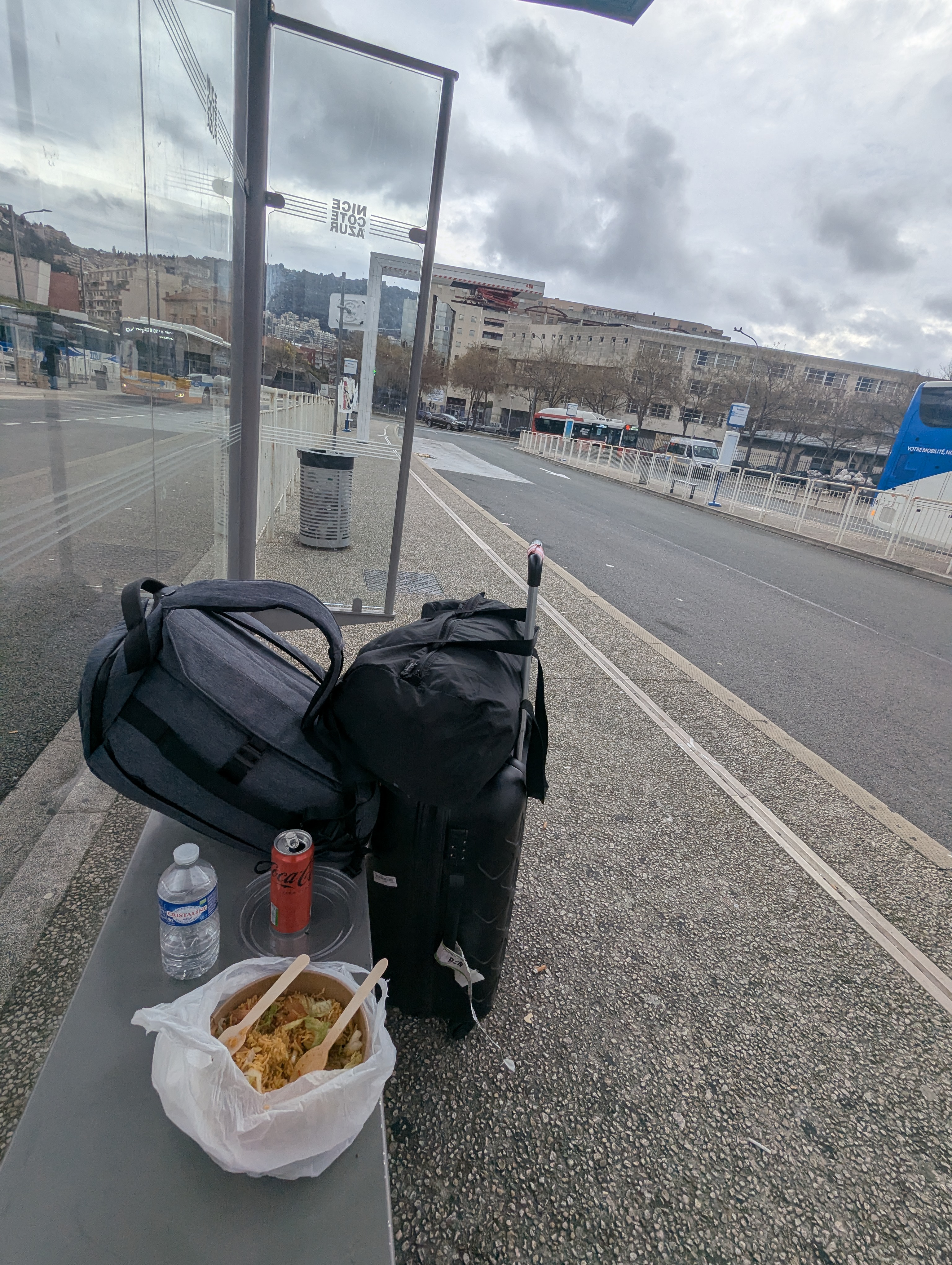
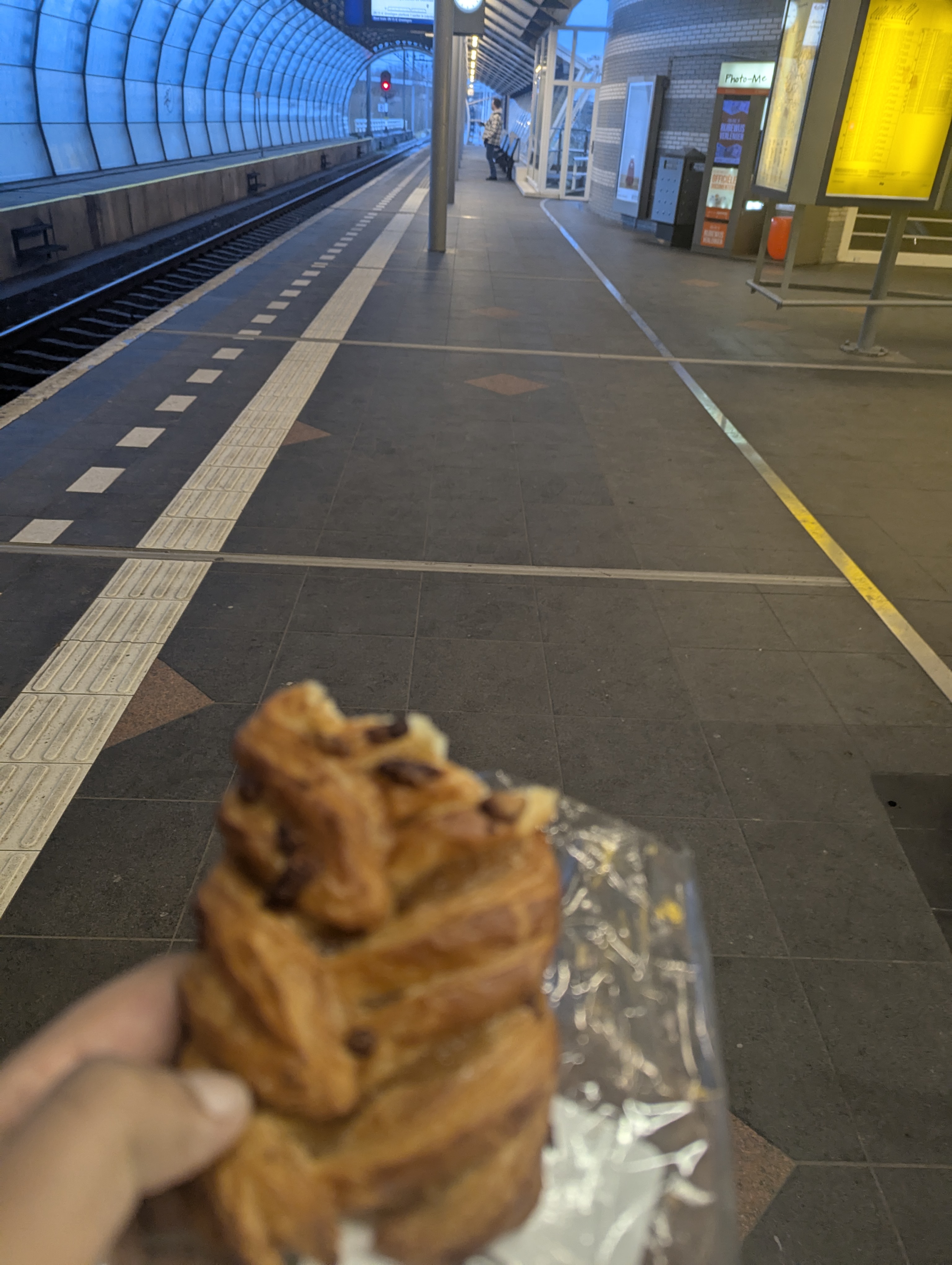
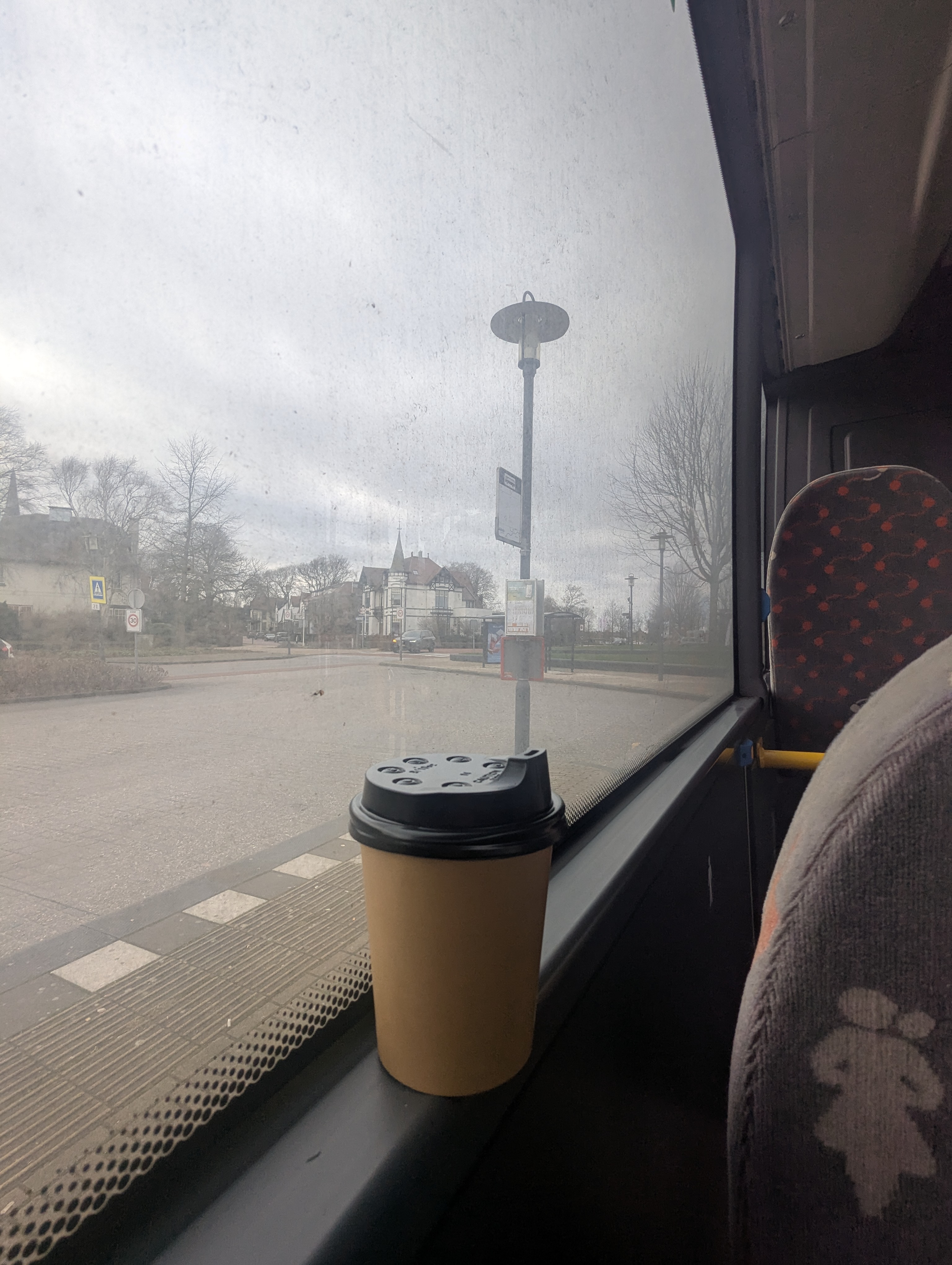
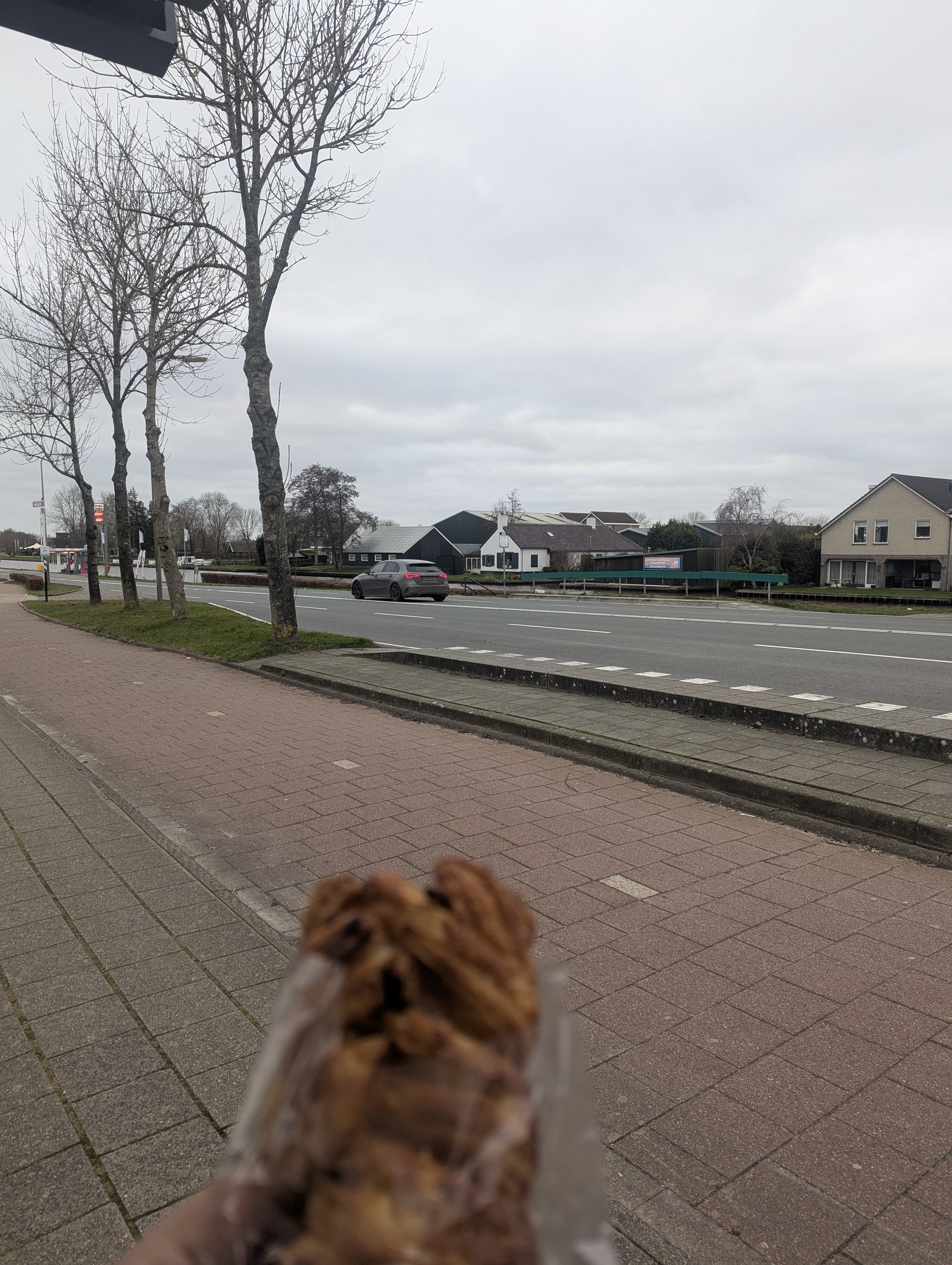
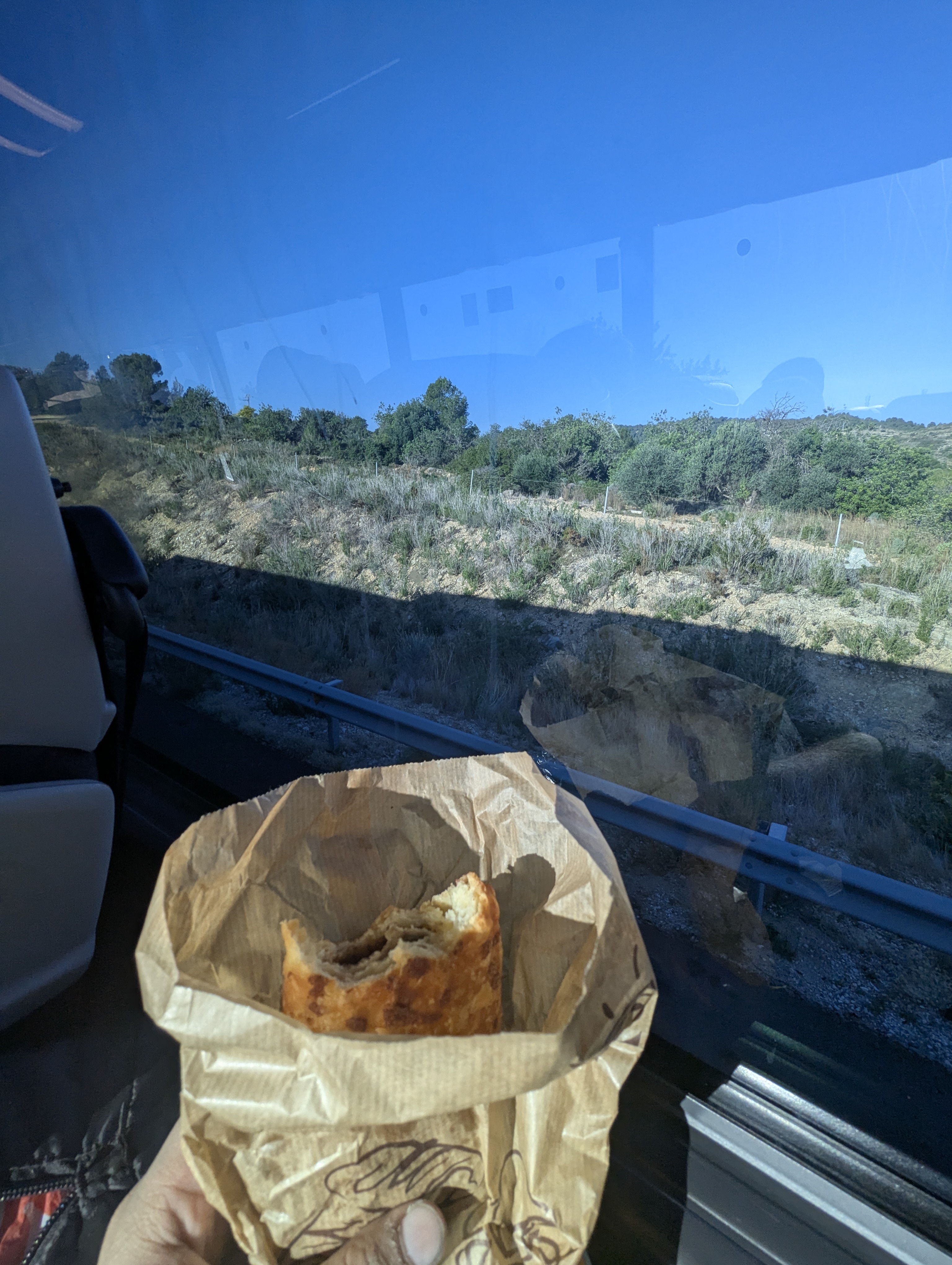
I'd usually grab something cheap ahead of time and save it for later, then eat wherever I landed. A bench in Budapest, steps in Salzburg, or some random bus stop in Belgium.
No tables, no timelines. Just me, my meal, and the moment.
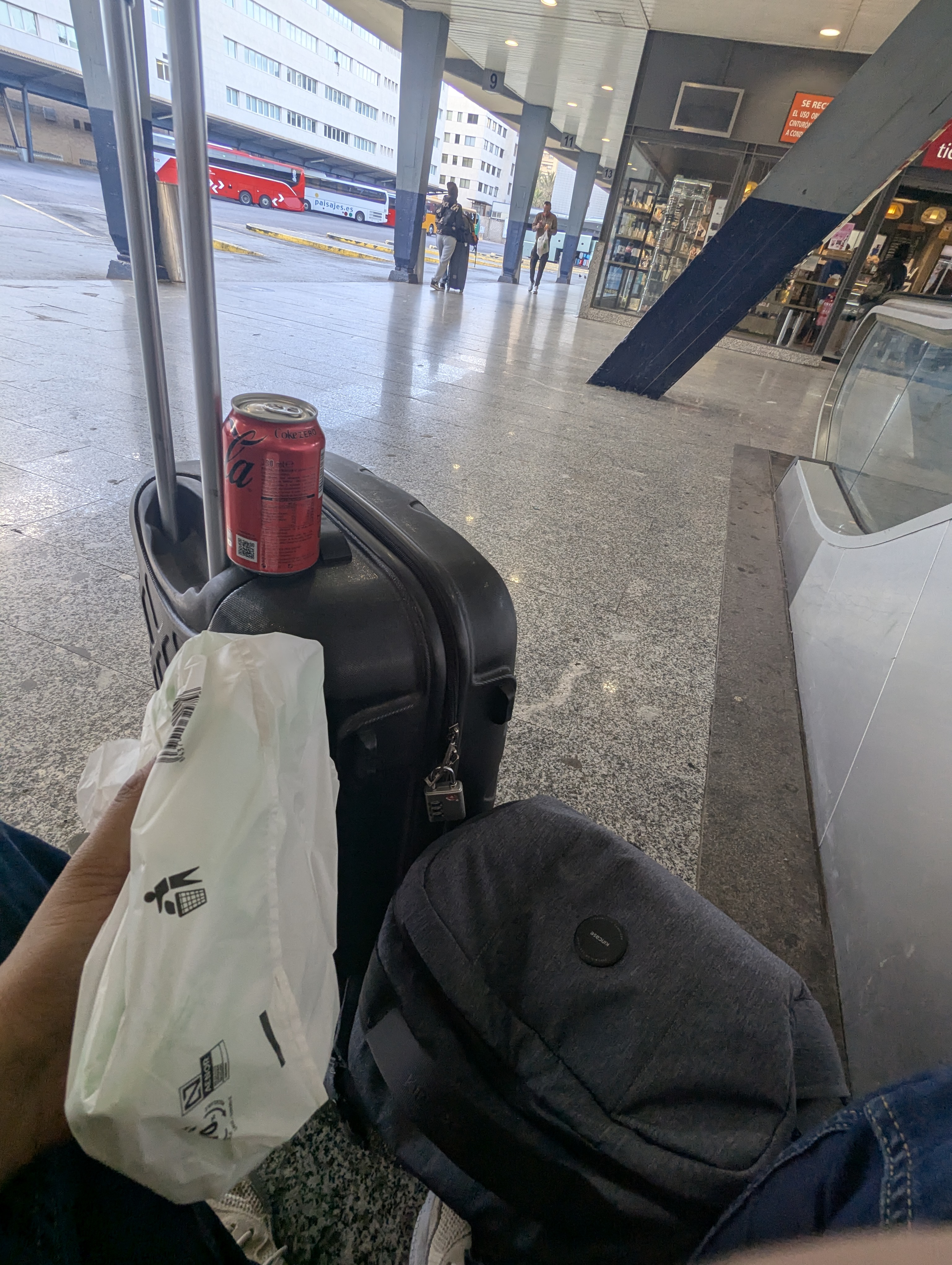
I wasn't really on a Vacation
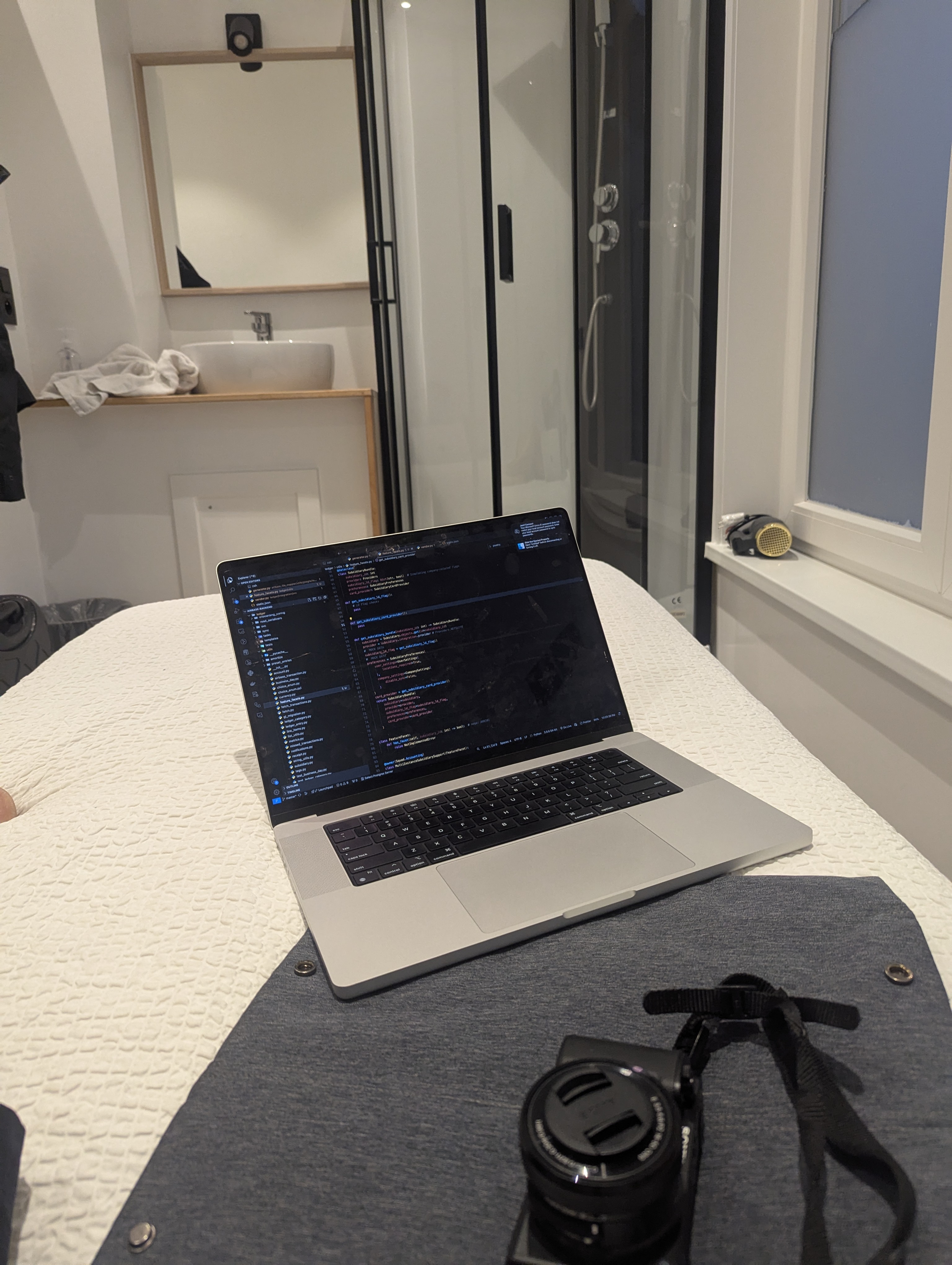
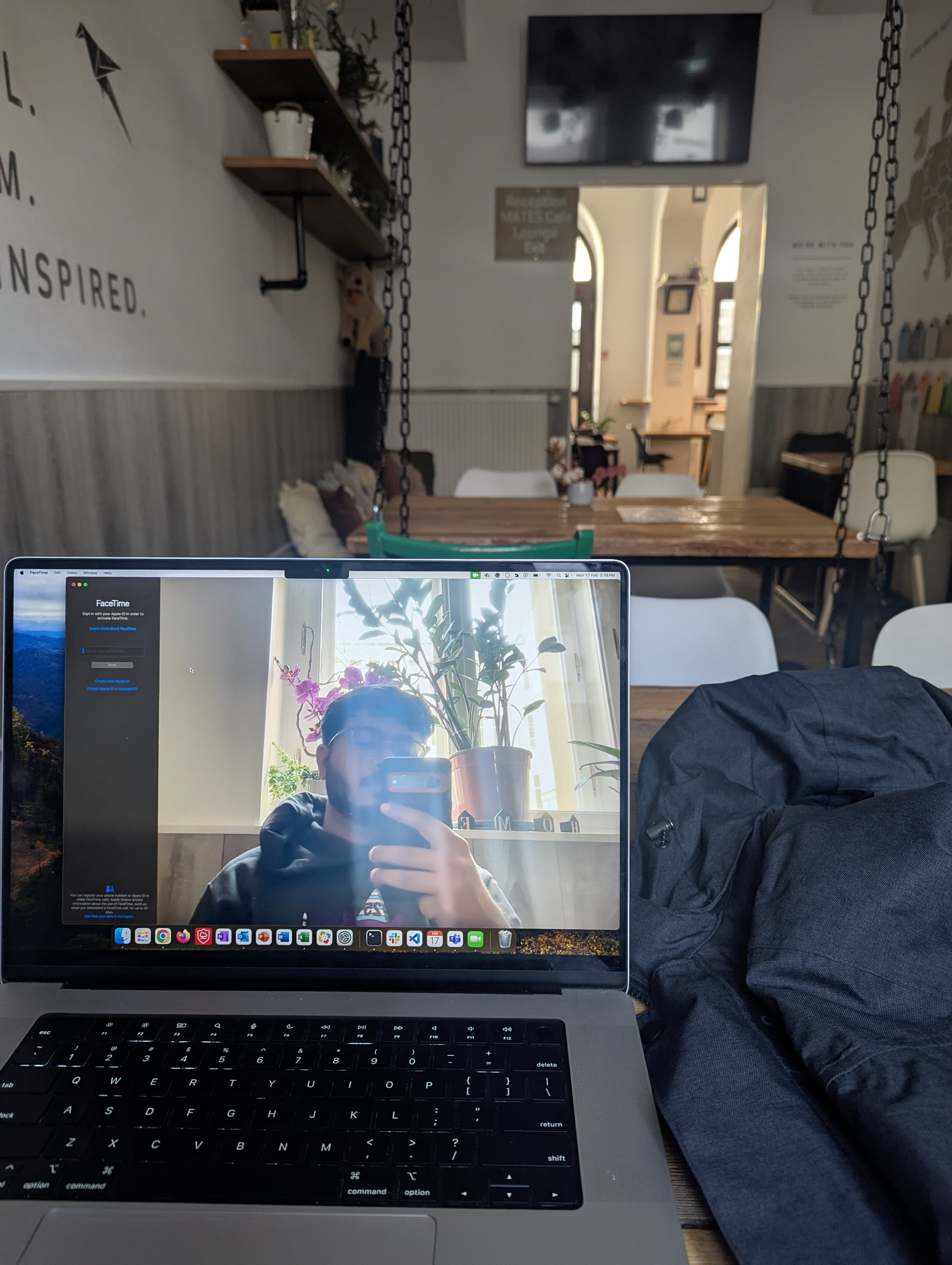
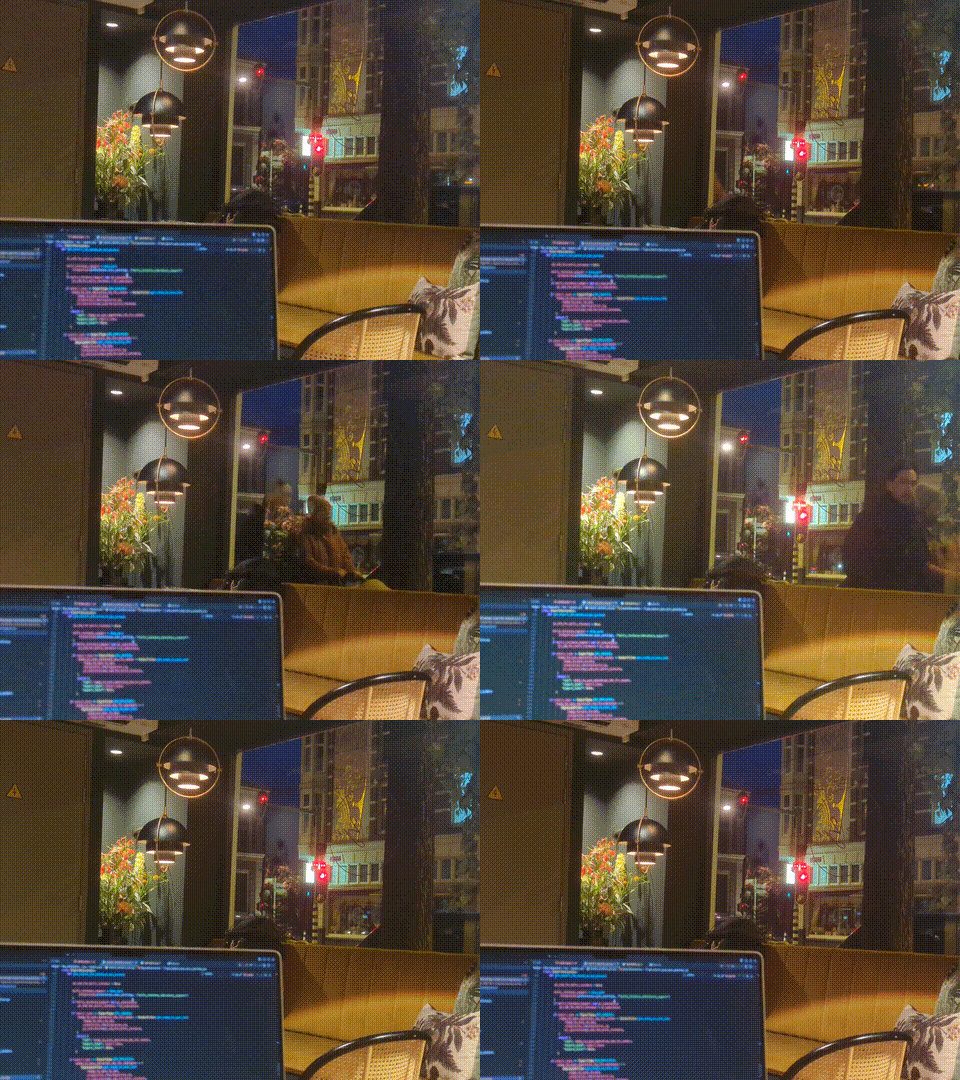
This wasn't a break. It was a balancing act. I took some days off, sure, but on most others, I was working full-time. Thanks to the time zone difference, my mornings began early, often around 4 or 5 a.m. I'd jump straight into work, laptop in tow, sometimes wrapping up deep-focus coding sessions before most cafés even opened.
I stayed constantly connected via Slack, attended meetings on the move, and made sure I was always reachable. Coding in train stations, syncing over breakfast, reviewing pull requests with a view. I made it work.
And once work was done, the rest of the day was mine to explore. With solid internet across Europe and reliable public Wi-Fi almost everywhere, this hybrid rhythm turned out smoother than I imagined.
What's Next?
This was just the blueprint. In the next blog, I'll take you along the first leg of my journey through the Netherlands, from scenic canals to storybook towns.
We've barely scratched the surface. More stories coming your way.
Miscellaneous & FAQ
Visa
- Schengen Visa is the Visa you'll need for Europe, it allows entry into 27 European countries under the Schengen agreement, so you don't need separate visas for each country. I applied through the Netherlands embassy because they had one of the highest approval rates. After carefully preparing all my documents (itinerary, bookings, insurance, and proof of funds) I submitted my application. The process can be strict, but with the right preparation, it's manageable. I got my visa approved within a week.
Cheap Flights
International Travel Air India for International Travel is cheap food is decent. Flights back to India are cheaper from places like Germany. I connected to Frankfurt from Prague to return back to India. If you plan early you can get cheaper flights. Emirates, British Airways or Etihad if you can stretch the budget a little bit.
Flights within Europe Rynair is cheap but if you have a luggage with you then you'll need to pay some extra but it is still doable. It's the same for other Airlines as well. My flight to Ryanair costed my less than what Flixbus would've.
For long flights always opt for the Aisle seat, the Aisle is your extra leg room. Before selecting the seats look up the seat map and in long flights try to walk a bit at regular intervals.
Network & Connectivity
- You can easily get International e-sim cards, I took one from Matrix. It connected instantly as soon as I landed in Amsterdam. Public wifi is also a big plus when in Europe, Train stations, Airports, most public places had an open wifi. And FlixBus also had wifi. In fact my Internet Plan expired on my way back from Poznan to Prague the day before I was returning and I had absolutely no trouble.
Cash, card & Forex Charges
- Carry some cash from India, you can also withdraw cash after reaching Europe. I got Zero Forex Niyo Global Card for this trip, it works across Globe you just need to load money in the card and use it with zero Forex charges. I did carry few more cards for backup.
Safety
- You are traveling solo, safety is non-negotiable.
- Get a Travel Insurance. It's a must.
- Memorize your Passport Number.
- Carry some medicines.
Print two copies of all your vital documents and bookings keep one in the main luggage and one in your day back. I should have everything that could take you back to India.
- Carry your own locks. It can save you money you'd spend on renting hostel locker locks.
- Get a money belt. It's helpful for places like La Rambla in Spain.
- Distribute your cash and cards in different spots.
Don't carry a "wallet" because it's easier to get pickpocketed if there's a visible target. Keep cash in pockets and your card in an inner jacket.
- Load money on your cards as needed, and disable backup cards temporarily.
Lock your backpack with a small padlock, especially when placing it in overhead compartments.
If you're not comfortable with tap water, buy bottles from local supermarkets (which are everywhere in Europe).
Keep some food with you. In Central Europe, many places are closed on Sundays, including supermarkets.
- Don't go to Paris or Milan.
Must-Have Apps
- For navigation is relied heavily on Google Maps & downloaded/deleted offline maps when required, sometimes I used Rome2Rio too. For Transit Omio is great, it's like an aggregator platform, FlixBus app is also helpful to book & also save tickets offline. I used GetYourGuide to book some day trips, those were really value for both money and time.
Other hacks
- Laundry is mostly available in most hostel, you may not have time to dry clothes. I bought really cheap T-shirts from India which I threw after using since I didn't have much time and paid laundry was much more expensive. You can also buy some directly in Europe from Primark, it's cheap.
- You will need Universal travel adaptor and a Schuko type socket plug especially for Europe.
- Carry a water bottle it will save you a lot of money.
- Carry your own toiletries and towels especially, these things are very expensive in Europe.
- Carry a pair of slippers no matter how cold the weather is, you'll need it for your hostel.
- If doing the trip in Winter, Carry warm clothes, layer them well. Most things are available in Decathlon.
- Don't buy city travel passes before estimating if even you're gonna need it.
- Souvenirs
I collect maps from each place I ever go, you can get them for free from Tourist Information Centers. Finding Tourist Information Centers is easy if you are attentive to your surroundings, sometimes you'll even get really high quality maps and even some other paperwork that is extremely beautiful.
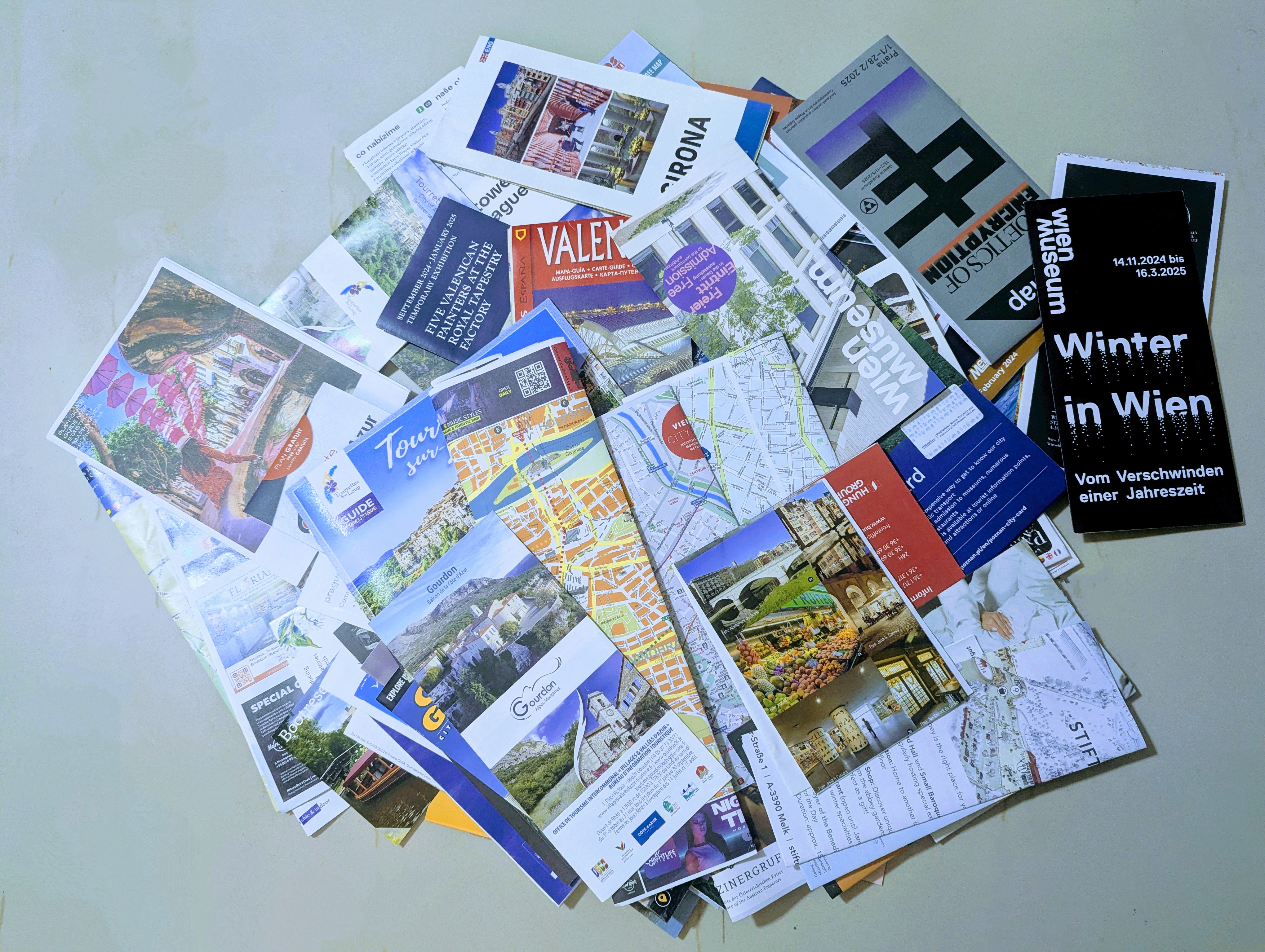
Although i still spent a bomb on Souvenirs & gifts too :p.